(714) 332-6302

What Every Orange County Homeowner Should Know About Heat Pump Cooling
Understanding how a heat pump cools your home in summer comes down to one key idea: it moves heat out of your house rather than generating cold air from scratch. Here is a quick breakdown of the process:
- Warm indoor air passes over the indoor evaporator coil
- Liquid refrigerant inside the coil absorbs that heat and evaporates into a gas
- The compressor pressurizes the refrigerant gas, raising its temperature
- The hot refrigerant travels to the outdoor unit and releases that heat outside
- The refrigerant cools, expands back into a liquid, and the cycle repeats
- The result is cooler, drier air circulated back through your home
That single difference — moving heat instead of creating cold — is why heat pumps are two to three times more energy efficient than traditional cooling systems.
For homeowners in Anaheim, Irvine, Fullerton, and across Orange County, where summer temperatures climb and energy bills follow, knowing how your system works helps you get the most out of it. Whether you already have a heat pump or are considering one, this guide walks you through everything: the science, the settings, the maintenance, and the common summer problems to watch for.
How a Heat Pump Cools Your Home in Summer: The Step-by-Step Process
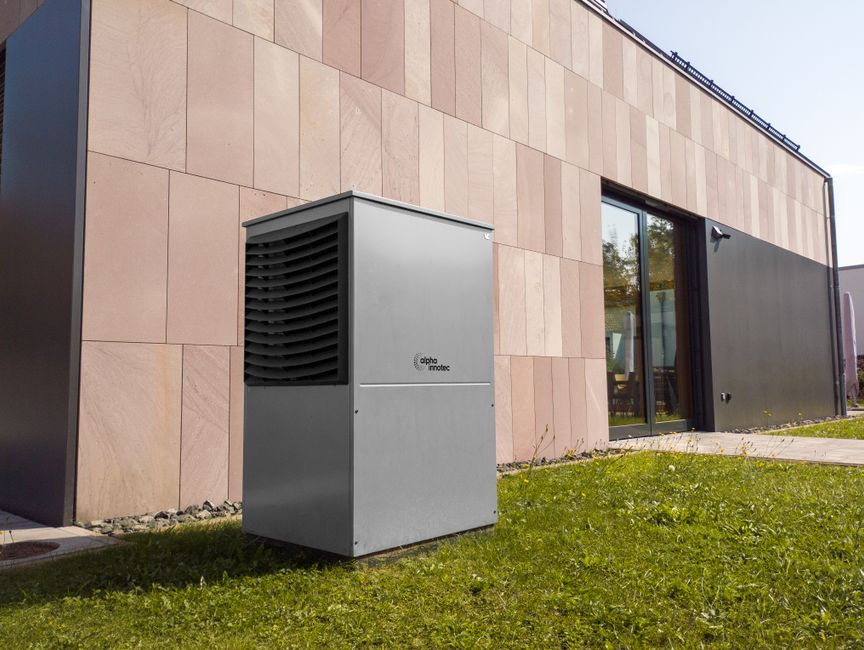
At first glance, a heat pump looks exactly like a standard central air conditioning unit. It sits outside your home, hums quietly when running, and blows cool air through your vents. However, the internal thermodynamics are a masterpiece of modern engineering.
To understand how a heat pump cools your home in summer, it helps to look closely at the vapor-compression cycle. This process relies on a specialized chemical blend called refrigerant, which has an incredibly low boiling point. Because of this property, the refrigerant can easily change states from a cold liquid to a hot gas and back again, absorbing and releasing thermal energy along the way.
Here is the exact step-by-step physical process of how this system keeps your living room comfortable on a blistering July afternoon in Santa Ana or Costa Mesa:
- Step 1: Heat Extraction (The Indoor Coil): The blower fan in your indoor air handler draws warm, humid air from your home’s living spaces and pushes it across the indoor coil. At this stage, the indoor coil acts as an evaporator. Inside this coil, extremely cold liquid refrigerant is circulating. Because heat naturally flows from a warmer area to a cooler area, the heat in your indoor air is rapidly absorbed by the freezing-cold refrigerant.
- Step 2: Evaporation: As the refrigerant absorbs this indoor heat, its temperature rises slightly, causing it to boil and vaporize into a low-pressure gas. The air blowing across the coil, now stripped of its heat and moisture, is blown back into your home through your ductwork as refreshing, cool air.
- Step 3: Compression (The Outdoor Unit): The low-pressure refrigerant gas travels through insulated copper lines out to the outdoor unit. Here, it enters the compressor. The compressor squeezes the gas, packing the molecules tightly together. This dramatic increase in pressure causes the temperature of the refrigerant to spike, turning it into a superheated, high-pressure vapor.
- Step 4: Heat Rejection (The Condenser Coil): This hot gas enters the outdoor coil, which now acts as a condenser. A powerful outdoor fan pulls outdoor air across the coil. Even if it is 95°F outside in Corona or Chino, the refrigerant gas is significantly hotter. Because of this temperature difference, the heat from the refrigerant transfers to the outdoor air. As the heat escapes, the refrigerant cools down and condenses back into a high-pressure liquid.
- Step 5: Expansion and Reset: Finally, the high-pressure liquid refrigerant passes through an expansion valve. This valve acts like a narrow nozzle, releasing the pressure on the liquid. As the pressure drops, the temperature of the refrigerant plummets, turning it back into a freezing-cold, low-pressure liquid. It is now ready to return to the indoor coil and start the process all over again.
To learn more about the dual-nature of this system, read our comprehensive guide on Heat Pump 101 How it Heats and Cools Your Home.
The Reversing Valve: The Secret to How a Heat Pump Cools Your Home in Summer
How can a single piece of machinery keep you cool in July and warm in January? The secret lies in a single, ingenious component: the reversing valve.
In a standard air conditioner, refrigerant only flows in one direction. It is a one-way street designed solely to pull heat out of your home. But a heat pump features a four-way reversing valve located in the outdoor unit.
When you set your thermostat to “Cool” in the summer, an electrical signal is sent to the reversing valve’s solenoid. This slide mechanism shifts the flow of the refrigerant, directing the cold, low-pressure liquid to the indoor coil and the hot, high-pressure gas to the outdoor coil.
When winter arrives and you switch your thermostat to “Heat”, the reversing valve slides back. This reverses the physical direction of the refrigerant flow. Suddenly, the outdoor coil becomes the evaporator, absorbing thermal energy from the cold outdoor air (which still contains plenty of heat energy, even on chilly nights), and the indoor coil becomes the condenser, releasing that heat into your home.
This simple, automatic switch is what makes the heat pump the ultimate all-in-one comfort solution. For a deeper dive into this component and the underlying physics, check out our article on What is a Heat Pump How Does it Work.
Heat Pumps vs. Traditional Air Conditioners for Summer Cooling
Because heat pumps and traditional air conditioners use the exact same vapor-compression cycle to cool your home, many homeowners wonder if there is actually any difference between them during the summer months.
From a pure cooling performance standpoint, they are incredibly similar. Both systems will keep your home perfectly chilled. However, when you look at the bigger picture — including long-term value, energy efficiency, and environmental impact — the differences become clear.
| Feature | Heat Pump | Traditional Air Conditioner |
|---|---|---|
| Primary Summer Function | Cools and dehumidifies by moving heat outdoors | Cools and dehumidifies by moving heat outdoors |
| Winter Function | Reverses cycle to heat the home efficiently | None (requires a separate furnace or heater) |
| Cooling Efficiency (SEER2) | High to Ultra-High (up to 20+ SEER2) | High to Ultra-High (up to 20+ SEER2) |
| System Footprint | Single outdoor unit handles all seasons | Requires outdoor AC unit + indoor furnace |
| Carbon Footprint | Extremely low (runs entirely on electricity) | Higher (when paired with a gas-burning furnace) |
| Lifespan (Year-Round Use) | 10 to 15 years with regular maintenance | 12 to 15 years (used only in warm months) |
While a traditional AC is a “one-trick pony” that sits idle for half the year, a heat pump works year-round to keep your home perfectly balanced. To see how these two systems match up across all seasons, read our detailed comparison on Heat Pumps vs Air Conditioning.
Why Heat Pumps Offer Superior Energy Efficiency
The primary reason heat pumps have become the gold standard of modern home comfort is their jaw-dropping energy efficiency.
Traditional heating systems, like electric baseboards or gas furnaces, have to create heat through combustion or electrical resistance. Even a brand-new, high-efficiency gas furnace maxes out at around 98% efficiency. Electric resistance heaters are limited to 100% efficiency — meaning every watt of electricity consumed produces exactly one watt of heat.
Heat pumps, on the other hand, do not create heat; they simply move it. Because moving heat requires far less energy than generating it, heat pumps can achieve operating efficiencies of 300% to 400% or more. This means that for every single kilowatt-hour (kWh) of electricity the system consumes, it delivers three to four kWh of thermal energy into or out of your home.
During the summer, this efficiency is further enhanced by modern inverter technology. Older, traditional air conditioners use single-stage compressors that operate like a light switch: they are either 100% on or 100% off. This constant cycling on and off consumes massive amounts of electricity and leads to indoor temperature swings.
Most modern heat pumps feature variable-speed, inverter-driven compressors. These smart systems can adjust their output in tiny 1% increments, running at low, ultra-efficient speeds up to 80% of the time. By maintaining a slow, steady flow of cooling rather than blasting on and off, they keep your home at a perfectly stable temperature while slashing your monthly utility bills.
To explore how these efficiency gains translate to real-world savings, check out The Great HVAC Debate Heat Pumps vs the Rest.
Managing Southern California Humidity and Dehumidification
Living in Southern California, we are blessed with beautiful weather, but coastal areas like Huntington Beach, Newport Beach, and Laguna Beach often deal with heavy morning marine layers and high humidity. High humidity makes the air feel much hotter than it actually is because it prevents our sweat from evaporating.
When discussing how a heat pump cools your home in summer, we have to talk about dehumidification. As warm, humid air is drawn across the freezing-cold indoor evaporator coil of your heat pump, the moisture in the air hits its dew point and condenses onto the metal coil — much like water droplets forming on a cold can of soda on a hot day. This moisture collects in a drain pan and is safely channeled outside your home.
Because variable-speed heat pumps run on longer, gentler cooling cycles, they are exceptionally good at removing this “latent heat” (moisture) from your indoor air. A traditional AC that quickly blasts on and off may cool down the air temperature rapidly, but it won’t run long enough to pull the moisture out, leaving you with a cold, clammy house. A heat pump ensures your indoor air is both cool and crisp.
For a closer look at how this technology benefits our local microclimates, read about Cooling the Coast Heat Pump Benefits for Southern California.
Exploring Different Types of Heat Pump Systems
No two homes in the Greater Orange County or Riverside areas are exactly alike. A historic home in Fullerton has very different heating and cooling needs than a modern, multi-story home in Eastvale. Fortunately, heat pumps come in several configurations to match any architectural style or ductwork layout.
- Ducted Central Heat Pumps: If your home already has a traditional ductwork system in place (perhaps left over from an old central AC and furnace setup), a ducted central heat pump is a seamless upgrade. The outdoor compressor connects directly to an indoor air handler that distributes conditioned air through your existing registers.
- Ductless Mini-Split Heat Pumps: For homes without existing ductwork, historic properties, room additions, or households where family members constantly argue over the thermostat, ductless mini-splits are a game-changer. These systems feature a single outdoor unit connected to one or more sleek, wall-mounted indoor heads. Each indoor unit conditions the air in a specific room or “zone,” allowing you to cool only the spaces you are currently using.
- Geothermal (Ground-Source) Heat Pumps: While air-source systems exchange heat with the outdoor air, geothermal systems tap into the stable temperatures of the earth. By burying a loop of pipes filled with water or refrigerant underground, geothermal heat pumps can reject heat into the cool earth (which stays around 55°F to 65°F year-round) during the summer. While they have higher upfront installation costs, they offer unparalleled efficiency and longevity.
To compare the installation considerations and long-term financial benefits of these options, read our Ultimate Guide to Heat Pump vs Traditional System Cost Comparison.
Optimizing Your Heat Pump for Maximum Summer Efficiency
While heat pumps are inherently highly efficient machines, their real-world performance depends heavily on how they are operated and maintained. By taking a few simple steps, you can keep your system running at peak performance while keeping your energy bills as low as possible.
Best Settings and Maintenance for How a Heat Pump Cools Your Home in Summer
To get the absolute most out of your system, we recommend practicing these simple, daily efficiency habits:
- Embrace the “Set It and Forget It” Rule: Unlike traditional furnaces or ACs, which homeowners often turn up and down throughout the day, heat pumps operate most efficiently when they are allowed to maintain a steady, consistent temperature. Constantly adjusting the thermostat forces the variable-speed compressor to ramp up to high speeds, consuming unnecessary energy.
- Aim for 78 Degrees: The U.S. Department of Energy recommends setting your thermostat to 78°F (25.5°C) during the summer months when you are at home. This provides an optimal balance between indoor comfort and low energy bills.
- Replace Air Filters Every Six Weeks: During the peak summer cooling season, your system is circulating a massive volume of air. A dirty, clogged air filter restricts airflow, forcing the blower motor to work twice as hard and dramatically reducing the system’s efficiency. Check your filter monthly and replace it at least every six weeks.
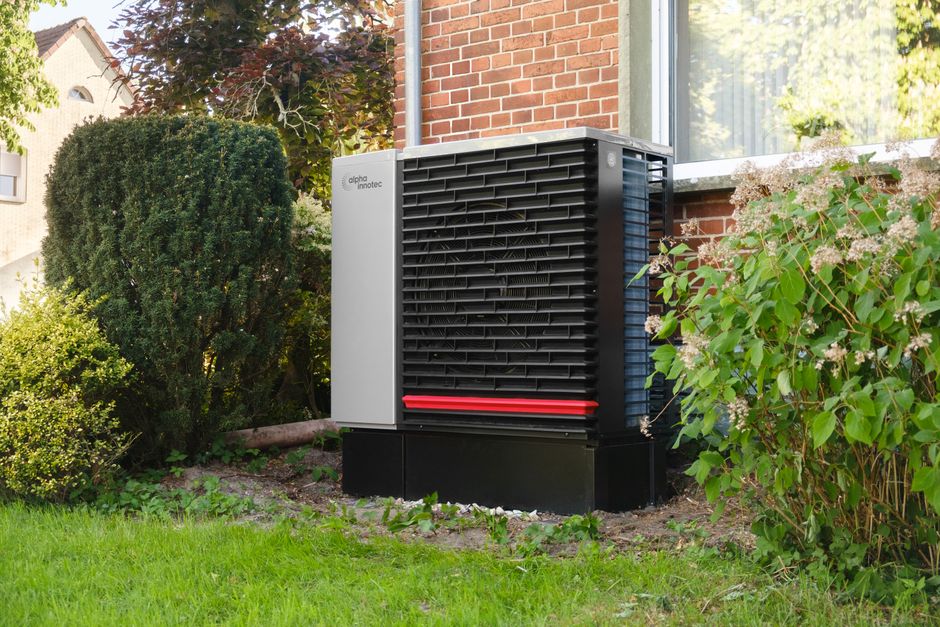
- Maintain Outdoor Clearance: Your outdoor unit needs to breathe. To reject heat effectively, there must be unrestricted airflow around the condenser coils. Ensure there is at least two feet of clear space around the outdoor unit, keeping it free of overgrown bushes, weeds, leaves, and outdoor storage.
- The Truth About Shading: Many homeowners believe that building a structure or planting dense trees to shade the outdoor unit will improve its summer performance. However, because heat transfer in the condenser coil occurs almost entirely via forced convection (thanks to the massive volume of air moved by the fan — typically around 6,000 cubic feet per minute) rather than radiation from direct sunlight, shading provides negligible benefits. In fact, if a shading structure blocks or restricts the exhaust airflow, it can trap hot air around the unit, causing it to run hotter and lose efficiency. Prioritizing annual coil cleaning is far more effective than shading.
Troubleshooting Common Summer Issues and Freezing Coils
Even the most reliable systems can run into occasional issues during hot weather. One of the most common — and baffling — summer problems is a frozen evaporator coil. Yes, even when it is 100°F in Riverside, your indoor unit can literally turn into a block of ice!
This typically happens due to one of two reasons:
- Restricted Airflow: If air cannot flow freely across the indoor evaporator coil (due to a heavily clogged filter, blocked return vents, or a failing blower motor), the cold liquid refrigerant inside the coil cannot absorb enough heat from your home. As a result, the temperature of the coil drops below freezing, and the natural moisture condensing out of the air instantly freezes onto the metal fins. This ice acts as an insulator, blocking even more airflow and causing the ice buildup to worsen.
- Low Refrigerant Levels: If your system has a small refrigerant leak, the drop in pressure causes the remaining refrigerant to expand too much, making it run much colder than designed. This rapidly freezes any condensation on the coil.
If you notice ice forming on your indoor or outdoor unit, or if your system is running constantly but blowing warm air, turn it off immediately at the thermostat. Running a frozen system can cause liquid refrigerant to flood back into the compressor, leading to catastrophic, expensive damage. Once the system has completely thawed, check your air filter. If the filter is clean and the issue persists upon restarting, it is time to call in a professional to check for leaks and test electrical components.
Frequently Asked Questions About Heat Pump Cooling
We love helping our neighbors understand their home comfort systems. Here are some of the most common questions we hear from homeowners across Orange County and Riverside:
Do heat pumps bring in fresh air from the outside?
No. This is a very common misconception! A heat pump is a completely closed-loop system. It does not pull outdoor air into your home, nor does it push indoor air outside. Instead, it continuously recirculates the air already inside your home, passing it through your air filters to clean it, and using the refrigerant lines to transfer heat energy back and forth.
Why is my heat pump blowing warm air in the summer?
If your system is blowing warm air when it should be cooling, check these common culprits first:
- Incorrect Thermostat Settings: Double-check that your thermostat is set to “Cool” and that the fan is set to “Auto” rather than “On.” When the fan is set to “On,” the blower runs continuously even when the cooling cycle is resting, which can make the air feel warm and humid.
- A Stuck Reversing Valve: If the reversing valve fails or loses electrical power, the system may get stuck in heating mode.
- Tripped Breaker or Electrical Issue: If the outdoor unit loses power due to a tripped breaker or a failed capacitor, the indoor blower will keep running, but it will only blow unconditioned, room-temperature air.
How often should I schedule professional heat pump maintenance?
Because heat pumps work hard year-round to provide both heating and cooling, they experience twice the wear and tear of a standard air conditioner. We highly recommend scheduling professional maintenance twice a year — once in the spring to prep for the summer heat, and once in the fall to ensure your system is ready for cooler winter nights. Regular tune-ups keep your system running efficiently, prevent unexpected breakdowns, and protect your manufacturer’s warranty.
Your Indoor Comfort, In Expert Hands
At Haven Air Conditioning, we are proud to provide top-tier, reliable HVAC services to our neighbors throughout the Greater Orange County and Riverside areas — from Anaheim and Fullerton to Corona and Laguna Hills. We understand that a comfortable home is essential for your family’s peace of mind, and we are committed to delivering exceptional customer service with a friendly, professional touch.
If you want to ensure your cooling system is running at peak efficiency, consider joining our membership maintenance plan. Our members enjoy priority scheduling, regular preventative tune-ups, and the peace of mind that comes with knowing their home comfort is in expert hands.
Whether you are looking to upgrade to an ultra-efficient heat pump system, need a quick summer repair, or simply want a professional second opinion on your current system, we are always here to help.