(714) 332-6302

Why Understanding How a Heat Pump Heats Your Home for Less During Mild Winters Could Change Your Energy Bills
How a heat pump heats your home for less during mild winters comes down to one simple idea: instead of burning fuel to create heat, it moves heat that already exists in the outdoor air into your home.
Here is a quick breakdown of why that matters for Orange County homeowners:
- Heat pumps transfer heat from outside air into your home using a refrigerant cycle, rather than generating heat through combustion or electric resistance
- Mild winters are the sweet spot — at temperatures between 40°F and 60°F (typical of Southern California), heat pumps operate at their highest efficiency
- Efficiency is measured by COP (Coefficient of Performance) — at mild outdoor temperatures, a heat pump commonly delivers 2 to 4 units of heat for every 1 unit of electricity used
- Compared to electric resistance heating, heat pumps can reduce electricity use for heating by up to 75%
- Compared to gas furnaces, heat pumps avoid combustion entirely, and in moderate climates they can match or beat gas on operating cost
If you live in Anaheim, Irvine, Fullerton, or anywhere across Orange County, your winters rarely test a heat pump’s limits. That means you get peak efficiency almost every single day of the heating season.
Most homeowners switching from older furnaces or electric baseboard heaters are genuinely surprised by how much less their heating system has to work — and how clearly that shows up on their utility bills.
The Science Behind How a Heat Pump Heats Your Home for Less During Mild Winters
To understand why a heat pump is so remarkably affordable to run when the weather is cool but not freezing, we have to look at the physics of heat transfer.
Traditional heating systems, like gas furnaces or electric baseboards, are “thermal creators.” They must burn a fuel source (natural gas or propane) or run high-voltage electrical current through high-resistance coils to generate thermal energy from scratch. This process is limited by the laws of thermodynamics. Even the most advanced, high-efficiency gas furnace can never exceed 100% efficiency; in fact, the absolute best models top out at around 95% to 98% efficiency, meaning some energy is always lost as waste gas through the flue.
A heat pump, on the other hand, is a “thermal mover.” It acts like a refrigerator operating in reverse. Instead of creating heat, it harvests existing thermal energy from the outdoor air and pumps it indoors.

The magic lies in the refrigeration cycle. Your heat pump utilizes a specialized chemical refrigerant that circulates between an outdoor unit and an indoor air handler. Even when the air outside feels chilly to you—say, a 45°F evening in Fullerton or Corona—there is actually an immense amount of ambient heat energy present in the air.
Here is how the system moves that heat into your living room:
- Evaporation: The liquid refrigerant in the outdoor coil is kept at an extremely low temperature. Because it is much colder than the outdoor air, it absorbs heat from the passing breeze, causing the refrigerant to boil and turn into a low-pressure gas.
- Compression: This gas travels to the compressor in your outdoor unit. The compressor squeezes the gas, raising its pressure and dramatically increasing its temperature.
- Condensation: The hot, high-pressure gas is pumped to the indoor coil. Your indoor blower fan blows air across this coil, absorbing the heat and distributing it through your ductwork. As the refrigerant releases its heat, it condenses back into a liquid.
- Expansion: The liquid refrigerant passes through an expansion valve, dropping its pressure and temperature back down, ready to repeat the cycle.
This entire process is controlled by a component called the reversing valve. In the summer, the reversing valve directs the refrigerant flow to pull heat from inside your home and dump it outside (operating exactly like a standard air conditioner). When winter arrives, the valve reverses the flow to bring outdoor heat inside.
To dive deeper into this technology, you can read our comprehensive guide on What is a Heat Pump & How Does it Work?.
Defining the Optimal Temperature Range for Mild Winter Heating
When we talk about a “mild winter,” we are referring to a climate where winter temperatures consistently hover between 40°F and 60°F. This is the exact climate profile of Southern California communities like Anaheim, Costa Mesa, and Norco.
This temperature range represents the absolute sweet spot for heat pump performance. Why? Because the closer the outdoor temperature is to your desired indoor temperature, the less work the compressor has to do.
In extremely cold regions (like the Midwest or Northeast), a heat pump has to work harder because there is less heat energy available in sub-zero air, and the temperature difference between the indoors and outdoors is massive. But during a mild Southern California winter, the outdoor air is absolutely packed with easily accessible ambient heat. The system can keep your home warm and cozy while running at a fraction of its maximum capacity.
Understanding Coefficient of Performance (COP) in Moderate Climates
To measure the efficiency of a heating system, HVAC professionals look at the Coefficient of Performance (COP). COP is a simple ratio: it compares the amount of useful heat energy a system produces to the amount of electricity it consumes to do so.
- Electric Resistance Heater: Has a COP of 1.0. This means for every 1 kilowatt-hour (kWh) of electricity consumed, it produces exactly 1 kWh equivalent of heat. It is a 1:1 transfer.
- Modern Heat Pump: In mild 40°F to 60°F weather, a high-quality heat pump can easily achieve a COP of 3.0 to 4.0. This means for every 1 kWh of electricity the system uses, it delivers 3 to 4 kWh worth of heat into your home.
In other words, a heat pump is essentially 300% to 400% efficient under mild winter conditions. You are getting up to four times more heat than you are actually paying for in electricity, simply because you are paying to move heat rather than make it.
Why Heat Pumps Outperform Traditional Systems in Southern California
For decades, the standard home comfort setup in Southern California was a split system consisting of a central air conditioner for the summer and a gas furnace for the winter. But as energy dynamics, utility rates, and technologies have evolved, this configuration is rapidly becoming outdated.
When you compare how heat pumps, gas furnaces, and electric resistance heaters perform in our unique coastal and inland valley climates, the advantages of heat pumps become clear. You can learn more about how these options compare by checking out our articles on Heat Pumps vs Furnaces: Which is Better? and Heat Pumps vs Air Conditioning.
| Heating System Type | Typical Heating Efficiency (COP) | Primary Fuel Source | Carbon Footprint | Performance in Mild Weather (40°F–60°F) |
|---|---|---|---|---|
| Air-Source Heat Pump | 3.0 to 4.0+ | Electricity | Extremely Low (Zero on-site emissions) | Excellent (Peak efficiency, stable temperatures) |
| Gas Furnace | 0.80 to 0.98 | Natural Gas / Propane | Moderate to High (Combustion-based) | Poor (Prone to short-cycling and temperature swings) |
| Electric Resistance | 1.0 | Electricity | High (Unless powered 100% by local solar) | Inefficient (Extremely high utility bills) |
How a Heat Pump Heats Your Home for Less During Mild Winters Compared to Gas Furnaces
Gas furnaces are designed to handle severe, bone-chilling cold. They blast high-temperature air into a home in short, intense bursts. In a mild climate like Orange County, this design is actually a disadvantage.
When outdoor temperatures are in the 50s, your home only needs a small, steady amount of heat to stay comfortable. Because a standard gas furnace is either 100% “on” or 100% “off,” it quickly overheats the home, shuts off, waits for the temperature to drop, and then blasts on again. This is known as short-cycling. Short-cycling wastes incredible amounts of energy (similar to how stop-and-go city driving burns more gas than highway cruising) and causes uncomfortable temperature swings.
Furthermore, natural gas prices in California can be highly volatile. By switching to an electric heat pump, you insulate yourself from fluctuating fossil fuel prices. Because heat pumps do not burn gas, they also eliminate the risk of carbon monoxide leaks in your home, providing invaluable peace of mind. For a deeper look into the comfort differences, read Dry Heat Meets High Efficiency: The Truth About Heat Pumps.
How a Heat Pump Heats Your Home for Less During Mild Winters Compared to Electric Resistance
Some Southern California homes—especially older apartments, condos, or home additions in areas like La Habra or San Clemente—rely on electric resistance heating, such as baseboard heaters, wall units, or electric forced-air furnaces.
While electric resistance heating is cheap to install, it is incredibly expensive to run. Because its COP is locked at 1.0, it gobbles up electricity at an alarming rate.
According to data from the U.S. Department of Energy, switching from electric resistance heating to an air-source heat pump can reduce your electricity use for heating by up to 75%. For a homeowner currently relying on electric baseboards, making this switch can result in immediate, dramatic drops in monthly utility bills.
Best Practices and Key Factors for Maximizing Heat Pump Savings
While heat pumps are inherently highly efficient, how you operate and maintain your system plays a huge role in the actual savings you see on your monthly bill.
The Power of Variable-Speed Inverter Technology
If you are upgrading your system, the most important specification to look for is a variable-speed inverter compressor.
Traditional HVAC systems use single-stage compressors that run at full blast or not at all. Modern heat pumps feature inverter-driven compressors that can modulate their speed continuously, running anywhere from 10% to 100% capacity.
During a mild winter afternoon in Huntington Beach or Riverside, a variable-speed heat pump might run continuously at just 15% capacity. It sips a tiny amount of electricity—often less than the power required to run a standard hair dryer—to maintain a perfectly steady, comfortable temperature. This eliminates the energy spikes associated with starting up a single-stage system and keeps your home incredibly quiet.
Maintenance and Operation Tips for Peak Efficiency
To keep your heat pump running at its absolute lowest operating cost, keep these practical tips in mind:
- Set It and Forget It: Unlike gas furnaces, which heat up rapidly, heat pumps are designed to maintain a consistent temperature over long periods. Avoid setting deep temperature setbacks when you leave for work. Dropping the thermostat by 8 degrees and then blasting it back up when you get home forces the system to run at maximum capacity, which is less efficient. Pick a comfortable temperature and leave it there.
- Avoid “AUTO” Mode: Keep your thermostat set to “HEAT” in the winter and “COOL” in the summer. If you leave it on “AUTO,” a warm, sunny Southern California afternoon could cause your system to unnecessarily cycle over to air conditioning, wasting energy.
- Keep Filters Clean: A clogged air filter restricts airflow, forcing your blower fan to work harder and reducing the system’s ability to transfer heat. Clean or replace your filters every 1 to 3 months.
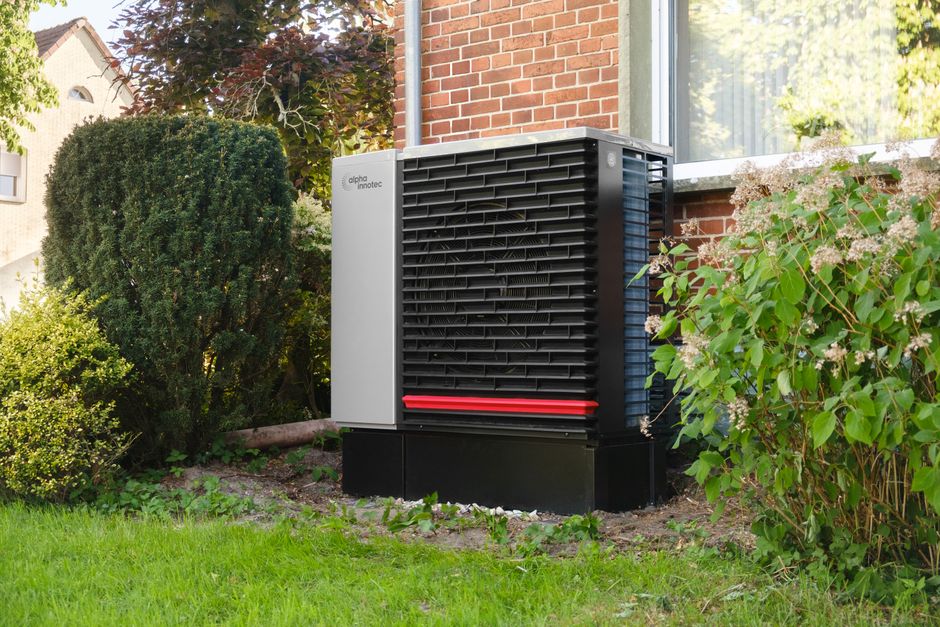
- Clear the Outdoor Unit: Ensure that leaves, dirt, and garden plants are kept at least two feet away from your outdoor unit. The system needs unrestricted airflow around the outdoor coils to harvest heat energy efficiently.
- Schedule Professional Tune-Ups: Having a certified technician inspect your system annually ensures your refrigerant charge is perfect, electrical connections are tight, and coils are clean.
To help our neighbors keep their systems in prime condition, we offer a dedicated membership maintenance plan that includes priority scheduling and regular tune-ups. Proper maintenance not only lowers your bills but also extends the life of your equipment. To learn more about what to expect, read our guide on How Long Does a Heat Pump Last?.
Leveraging California Rebates and Incentives in 2026
There has never been a better time to upgrade to a heat pump. In 2026, California homeowners have access to a robust landscape of state-administered rebates, utility incentives, and federal tax credits designed to make clean energy upgrades highly affordable.
By choosing an eligible energy-efficient system, you can take advantage of substantial financial incentives that dramatically lower your upfront installation costs. Navigating these programs can be complex, which is why we help our customers handle the paperwork from start to finish.
To see what incentives are currently active in your specific ZIP code, take a look at our detailed resources on Heat Pump Rebates in California and Navigating the California Energy Rebate Application Process.
Frequently Asked Questions About Mild Winter Heating
What temperature is too cold for a standard heat pump?
Older heat pumps struggled when outdoor temperatures dropped below 35°F, often requiring backup electric resistance heat to kick in. However, modern standard heat pumps operate highly efficiently down to 20°F.
For extreme climates, specialized cold-climate heat pumps can provide comfortable, reliable heating even when it is -15°F outside. Because we live in the greater Orange County and Riverside areas, our winter temperatures rarely drop below 40°F, meaning a standard modern heat pump will easily handle our coldest nights without ever needing backup heat.
How much can I save by switching to a heat pump in Southern California?
While exact savings depend on your home’s insulation, your local utility rates, and your previous heating system, the savings are often substantial:
- If you are switching from electric resistance heating, you can expect to cut your heating electricity consumption by up to 75%.
- If you are switching from an older, inefficient gas furnace, you will eliminate your gas heating costs entirely, replacing them with a much smaller increase in your electric bill, while enjoying a single, simplified system for year-round comfort.
Can a heat pump replace both my furnace and air conditioner?
Yes, absolutely! A heat pump is a true all-in-one comfort solution. It replaces both your central furnace and your traditional air conditioner.
During the hot summer months in places like Anaheim and Irvine, it functions exactly like a high-efficiency air conditioner, extracting heat from inside your home and pumping it outside. When the weather cools down, it simply reverses the process to keep you warm. This means you only have one system to maintain, saving you money on long-term maintenance and replacement costs.
Conclusion
Making the switch to a heat pump is one of the smartest home improvements a Southern California homeowner can make. By taking advantage of how a heat pump harvests free, ambient outdoor heat, you can keep your home perfectly comfortable during our mild winters while keeping your energy bills as low as possible.
At Haven Air Conditioning, we are proud to be the trusted comfort partners for families across Anaheim, Orange, Fullerton, and the surrounding communities. Our certified, friendly professionals are dedicated to providing exceptional customer service, meticulous attention to detail, and transparent, neighborly advice. Whether you are ready to upgrade your system, need a seasonal tune-up, or want a professional second opinion, we are here to help.
Your indoor comfort is in expert hands. If you are ready to explore your options or want to learn more about the installation process, check out our Heat Pump Installation Guide or reach out to us today to schedule a friendly, in-home consultation!