(714) 332-6302

Why Southern California’s Climate Is Hard on Your Air Conditioner
Understanding how southern California weather affects AC equipment lifespan starts with one uncomfortable truth: your system works far harder here than almost anywhere else in the country.
In Orange County and the surrounding region, AC units routinely run 1,500 to 2,400 cooling hours per year — roughly double the national average of around 700 hours. Coastal homes face salt air that corrodes condenser coils and metal components, cutting equipment life by 20 to 30 percent compared to inland areas. Inland communities like the Inland Empire and Coachella Valley push systems through triple-digit heat that drives compressor pressure into dangerous ranges. And every fall, Santa Ana winds carry abrasive desert dust that clogs fins and fills electrical compartments with grit, while wildfire smoke coats evaporator coils and chokes airflow.
The result? A central AC system that might last 15 to 20 years in a milder climate often survives only 10 to 15 years here — and coastal units near the beach can fail in as few as 8 to 12 years without the right protection.
Here is a quick look at how SoCal’s main weather stressors shorten AC life:
| Weather Stressor | Primary Damage | Lifespan Impact |
|---|---|---|
| Coastal salt air | Corrodes aluminum fins and copper tubing | 20-30% shorter lifespan; 8-12 years near the ocean |
| Inland extreme heat (100°F+) | High compressor head pressure, thermal expansion | 10-15 years vs. 15-20 nationally |
| Santa Ana winds and dust | Clogged fins, damaged fan blades, grit in electrical compartments | Accelerates wear on all outdoor components |
| Wildfire smoke and ash | Coats evaporator coils, restricts airflow | Reduces efficiency and increases compressor strain |
| Extended cooling season | Double the annual runtime hours | Doubles the rate of overall mechanical wear |
The good news is that the right maintenance habits and equipment choices can close that gap significantly. This guide walks you through exactly what is happening to your system, how long different equipment types realistically last in Southern California, and what you can do to protect your investment — whether you are in Irvine, Huntington Beach, Anaheim, or the Inland Empire.
Understanding How Southern California Weather Affects AC Equipment Lifespan
When manufacturers design air conditioning systems, they build them with standard operating conditions in mind. On paper, most brochures will tell you that a modern air conditioner should easily last 15 to 20 years. However, these estimates are based on national averages where systems run for a brief, intense summer and then rest for the remaining nine months of the year.
In Southern California, our cooling season never truly ends. Because we experience warm sunny days even in January and February, our systems accumulate runtime hours at an accelerated rate. If you are wondering How Long Do AC Units Last? under normal circumstances, the answer is heavily dictated by cumulative wear rather than calendar years.
A unit running in a mild climate might only log 700 hours of operation annually. In contrast, an AC unit in a hot inland valley or a heavily glazed coastal home can easily log 2,000 hours or more per year. This means that by the time a Southern California AC unit reaches its tenth year of service, it has accumulated the equivalent operating hours of a 20-year-old system in the Pacific Northwest.
This continuous operation places a relentless burden on the compressor—the heart of your air conditioning system. High runtime hours lead to the gradual breakdown of lubricating oil within the compressor, increasing friction, elevating electrical draw, and eventually leading to mechanical failure.
Coastal vs. Inland: How Southern California Weather Affects AC Equipment Lifespan
Southern California is famous for its distinct microclimates. The weather can change dramatically over just a few miles, and so does the physical toll on your HVAC equipment.
Along the Orange County coastline—in beach communities like Huntington Beach, Newport Beach, and Laguna Beach—the primary threat is the marine layer. The damp, salty air acts as a constant corrosive agent. Condenser units installed near the water are subjected to a slow-motion electrochemical reaction that degrades aluminum fins and copper coils. This coastal corrosion can easily trim 20% to 30% off the useful life of your system, forcing replacements years ahead of schedule.
Move inland toward cities like Corona, Riverside, and Ontario, and the coastal humidity drops, but the thermal stress rises. Inland valleys experience prolonged summer heatwaves with temperatures regularly climbing past 100°F. In these areas, the cooling demand is immense. Systems must run for hours on end under extreme high head pressure to keep indoor spaces comfortable. This massive thermal load, combined with fine desert dust and particulate matter, accelerates mechanical wear and makes routine maintenance absolutely essential.
Microclimate Stressors: Salt Air, Extreme Heat, and Desert Winds
To protect your system, it helps to understand the exact physical processes that occur when Southern California’s unique weather elements collide with your outdoor condenser.
Every autumn, we also face the challenge of Santa Ana winds and regional wildfires. These events introduce unique environmental hazards that can choke your system. Understanding How Santa Ana Winds and Wildfire Smoke Affect Your HVAC is critical to preventing sudden system breakdowns when you need cooling the most.
Coastal Salt Air and Marine Layer Corrosion
If you live within a few miles of the Pacific Ocean, salt-air corrosion is your system’s primary enemy. Ocean breezes carry tiny, airborne salt crystals that settle directly onto the delicate aluminum fins of your outdoor condenser coil.
When moisture from the morning marine layer or coastal fog mixes with these salt deposits, it creates a highly conductive electrolyte. This triggers galvanic corrosion—essentially acting like a weak, slow-motion battery that eats away at the bond between the aluminum fins and copper tubing.
Over time, you will notice the aluminum fins beginning to pit, turn into a white powdery residue, and eventually crumble away when touched. Once these fins degrade, the condenser loses its ability to dissipate heat efficiently. Your compressor has to work harder and run longer to cool your home, leading to rising utility bills and early system failure.
Inland Heatwaves and High Head Pressure
Inland communities experience a completely different kind of environmental stress. When outdoor temperatures soar to 100°F and beyond, the air surrounding your outdoor condenser is already incredibly hot.
To cool your home, the AC unit must release indoor heat into this scorching outdoor air. This requires the compressor to pump refrigerant at much higher pressures—often exceeding 400 psi in modern systems. This elevated pressure creates intense heat within the compressor itself, causing the internal metal components to expand and placing immense strain on the run capacitor and fan motor.
To keep your system running smoothly through these brutal summer stretches, we always recommend preparing your system in advance. Learning How to Survive the SoCal Heat with a Proactive AC Tune-Up is the best way to prevent a mid-summer breakdown when local service schedules are at their busiest.
Santa Ana Winds, Dust, and Wildfire Smoke
During the fall, the Santa Ana winds sweep through Southern California, bringing dry, hot air from the desert. These high-velocity winds carry fine, abrasive dust and sand that act like sandpaper on your outdoor unit, flattening delicate coil fins and packing grit into the electrical contactors and fan bearings.
Additionally, Southern California’s wildfire seasons introduce heavy concentrations of airborne ash and smoke. This particulate matter doesn’t just affect your lungs; it also severely impacts your HVAC system. Ash and soot settle on the damp surfaces of your indoor evaporator coil and outdoor condenser, forming a sticky, insulating layer that blocks heat transfer and restricts airflow.
Understanding the relationship between Santa Ana Winds and Heat Waves vs Your Wallet can help you take fast action—such as changing your air filters immediately after a windstorm or wildfire event—to save hundreds of dollars in unnecessary wear and energy waste.
Expected Lifespans by HVAC System Type in Southern California
Not all heating and cooling systems respond to Southern California’s climate in the same way. The style of equipment you choose, where it is installed, and how it operates all play major roles in its overall durability.
Central Air Conditioners and Packaged Units
Traditional split-system central air conditioners remain the most common cooling choice across Orange County and Riverside. In our climate, a well-maintained central AC typically lasts 10 to 15 years.
However, packaged units—where the compressor, coils, and fan are housed in a single cabinet often installed on the roof—face a tougher road. Rooftop packaged units in areas like Laguna Niguel are completely unprotected from the elements. They endure intense, direct UV exposure all day long, along with high winds and salt air. Consequently, packaged units often trend toward the lower end of the lifespan spectrum, averaging 10 to 12 years before requiring replacement.
To keep tabs on your system’s health as it ages, performing a regular Summer AC System Inspection What to Look For will help you spot early signs of cabinet rust, fan motor fatigue, or electrical wear before they turn into major system failures.
Heat Pumps and Ductless Mini-Splits
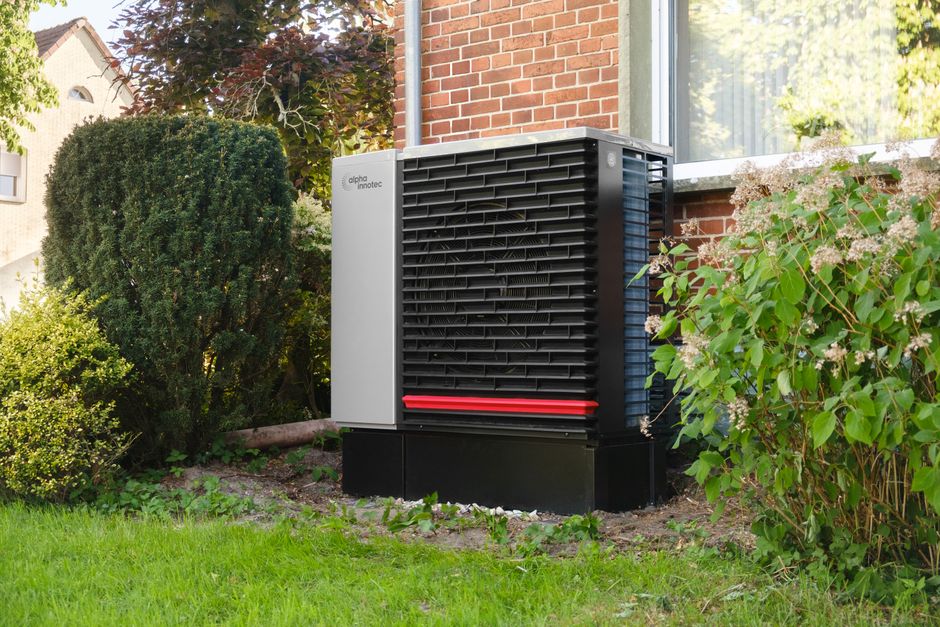
Heat pumps and ductless mini-splits are incredibly well-suited for the Southern California climate, often lasting 10 to 16 years (and up to 20 years for high-quality mini-splits).
Because our winters are so mild, heat pumps rarely have to work hard in heating mode. They utilize advanced variable-speed inverter technology, which allows the system to ramp up or down incrementally rather than cycling on and off at full blast. This soft-start capability dramatically reduces electrical and mechanical wear on the compressor.
If you are considering an upgrade, investing in AC Replacement for Optimal Home Comfort with a modern heat pump or ductless system is one of the smartest ways to secure long-term reliability and lower your monthly energy bills.
Gas Furnaces in Mild Winters
If there is one piece of HVAC equipment that thrives in Southern California, it is the gas furnace. While a furnace in the Midwest might run continuously for six months of the year, a furnace in Anaheim or Fullerton only runs on chilly winter mornings and cool nights—typically logging fewer than 60 nights of active use per year.
Because of this incredibly light duty cycle, gas furnaces in our area regularly last 15 to 20 years, and sometimes even up to 25 years. The primary threat to a local furnace isn’t mechanical wear, but rather rust on the burners caused by high indoor humidity during the coastal marine layer season, or a cracked heat exchanger resulting from decades of metal expanding and contracting.
Warning Signs of System Decline and the Repair vs. Replace Decision
As your air conditioning system enters its second decade of service, it will begin to drop hints that its working days are drawing to a close. Recognizing these warning signs early gives you the time to plan a planned replacement on your own terms, rather than dealing with an emergency breakdown in the middle of a July heatwave.
We always recommend keeping an eye out for these classic end-of-life signals:
- Creeping Utility Bills: If your electric bills are rising year-over-year but your cooling habits haven’t changed, your compressor and coils are losing their operating efficiency.
- Frequent Repairs: Needing to call a technician more than once a year is a clear sign of cascading component failure.
- Uneven Cooling: Rooms that used to stay perfectly cool are suddenly warm and stuffy, indicating the system can no longer keep up with the thermal load.
- Strange Noises: Squealing, grinding, or loud rattling during startup points to failing bearings or a struggling compressor motor.
- R-22 Refrigerant: If your system was installed before 2010, it likely uses R-22 refrigerant. Because R-22 has been phased out by environmental regulations, repairing a refrigerant leak on these older systems is incredibly expensive and rarely makes financial sense.
When you start noticing these issues, it is time to check out our guide on When to Consider HVAC Replacement to help you weigh your options objectively.
The $5,000 Rule for SoCal Homeowners
When faced with a major repair bill on an aging system, how do you decide whether to fix it or replace it? Many experienced HVAC professionals use a simple financial decision framework known as the $5,000 Rule.
To apply this rule, you simply multiply the age of your equipment by the estimated cost of the repair. If the resulting number is greater than $5,000, your money is better spent on a new, energy-efficient replacement.
For example, let’s say you have a 10-year-old air conditioner in Riverside that needs a new condenser fan motor costing $600:
$$10 \text{ years} \times \$600 = \$6,000$$
Because $6,000 is over the $5,000 threshold, investing in a replacement is generally the more cost-effective choice. The repair might fix the fan motor, but it won’t restore the efficiency of a decade-old compressor that has already logged thousands of high-heat runtime hours.
If you are looking to avoid these costly dilemmas altogether, uncovering The Secret to Lower Bills and Fewer AC Breakdowns This Summer lies in proactive, annual preventative care.
Maximizing Your System’s Lifespan in the Southland
While Southern California’s weather is undeniably tough on air conditioning systems, you are not powerless against the elements. With a few smart maintenance habits and the right installation choices, you can add years of reliable service to your equipment.
A great place to start is with a professional Summer AC Performance Check in Orange to ensure your system is fully prepared for the heavy summer workload.
Proactive Strategies: Mitigating How Southern California Weather Affects AC Equipment Lifespan
To protect your system from our local microclimates, consider implementing these highly effective, practical strategies:
- Specify Corrosion-Resistant Coatings: If you live near the coast, always choose replacement units that feature factory-applied epoxy or phenolic coil coatings (often called E-coats). These protective layers shield the aluminum and copper from salt-air exposure, preventing galvanic corrosion.
- Perform Regular Fresh-Water Rinses: For homes within a mile of the ocean, use a garden hose to gently rinse your outdoor condenser coils with fresh water once a month. This simple step washes away accumulated salt deposits. Note: Never use a high-pressure power washer, as this will bend the delicate aluminum fins and restrict airflow.
- Use the Right Air Filters: Change your air filters every 30 to 60 days, especially during the dusty Santa Ana wind and wildfire seasons. Stick to filters rated between MERV 8 and MERV 11. Avoid ultra-restrictive MERV 13+ filters unless your system’s blower motor was specifically designed to handle the increased resistance.
- Demand a Manual J Load Calculation: A properly sized system is critical. Many contractors rely on lazy “rules of thumb” based on home square footage, which often results in oversized systems that short-cycle (turning on and off rapidly). Short-cycling places immense wear on the compressor and shortens its life. A precise Manual J calculation ensures your system is perfectly matched to your home’s unique heat gain.
Taking the time to perform an End of Summer AC System Check is also a fantastic way to clear out any dust, ash, or debris that accumulated during the peak cooling months, setting your system up for a restful winter.
Smart Thermostats, Warranties, and Rebates
Modern technology and financial incentives can also play a major role in extending your system’s life and lowering your overall costs.
Installing a smart thermostat allows you to set up “pre-cooling” schedules. By cooling your home slightly during the cooler morning hours (when electricity rates are often lower), you can reduce the runtime hours needed during the scorching 4:00 PM to 9:00 PM peak-demand period. This simple shift lowers your energy bills and spares your compressor from running during the hottest part of the day.
Additionally, always make sure to register your new HVAC system within 60 days of installation. Most major manufacturers extend their parts warranty from 5 years to 10 years upon registration—providing invaluable peace of mind. Lastly, don’t forget to take advantage of local utility rebates. Organizations like Southern California Edison (SCE) and SoCalGas offer excellent financial incentives for upgrading to high-efficiency SEER2 systems, helping to offset your initial investment.
Frequently Asked Questions about SoCal HVAC Longevity
How long does an AC unit last near the beach in Orange County?
Without protective measures, a standard air conditioner installed within a mile of the coast typically lasts only 8 to 12 years due to severe salt-air corrosion on the condenser coils. However, you can extend this lifespan closer to the normal 15-year mark by choosing marine-grade units with specialized anti-corrosive coil coatings, shielding the unit from direct ocean winds, and performing regular fresh-water rinses.
Does wildfire smoke permanently damage my air conditioner?
Wildfire smoke itself won’t permanently damage the metal components of your system, but the thick ash, soot, and particulate matter it carries can severely restrict airflow. If left unaddressed, this buildup forces your compressor to work much harder, leading to overheating and premature failure. Always replace your air filters immediately after a major wildfire event and have a professional clean your outdoor condenser coils if they are coated in ash.
Is it better to replace both the AC and furnace at the same time?
In most cases, yes. Replacing both units simultaneously ensures you have a fully matched system where the indoor evaporator coil and outdoor condenser are designed to work together at peak efficiency. It also saves you thousands of dollars in shared labor costs, resets the installation warranty clock for your entire home comfort system, and ensures compatibility with modern eco-friendly refrigerants.
Your Indoor Comfort, In Expert Hands
At Haven Air Conditioning, we understand exactly how Southern California’s unique weather patterns challenge your home’s heating and cooling systems. Whether you are dealing with salt air in Huntington Beach, extreme summer heat in Corona, or dust from the Santa Ana winds in Anaheim, our team of certified, friendly professionals is here to ensure your year-round comfort.
We pride ourselves on delivering exceptional customer service, meticulous attention to detail, and transparent, neighborly advice. To give you ultimate peace of mind, we offer our specialized membership maintenance plan. As a member, you will receive priority scheduling, regular seasonal tune-ups to maximize your equipment’s lifespan, and exclusive discounts on repairs.
Let us take care of your home’s comfort so you can sit back, relax, and enjoy the beautiful Southern California sunshine. Whether you need a second opinion on an aging system or want to schedule a proactive check-up, we are always here to help.
Schedule an HVAC Consultation with Haven Air Conditioning today!