(714) 332-6302

When Your Heat Pump Stops Working: What Orange County Homeowners Need to Know
Why your heat pump compressor fails and what to do is one of the most urgent questions a homeowner can face — especially when temperatures in Orange County swing from scorching summers to chilly winter nights and your system suddenly stops keeping up.
The compressor is, quite literally, the heart of your heat pump. It circulates refrigerant, regulates pressure, and makes heat transfer possible in both heating and cooling modes. When it struggles or fails, your entire system goes down with it.
The most common reasons a heat pump compressor fails include:
- Refrigerant leaks — low charge forces the compressor to overwork and overheat
- Electrical problems — failed capacitors, faulty wiring, or voltage imbalances
- Dirty coils or clogged filters — restricted airflow causes the compressor to run hot
- Poor lubrication — oil contamination or refrigerant dilution accelerates internal wear
- System age — most compressors last 10 to 15 years before performance degrades
- Incorrect sizing — an oversized or undersized system causes short cycling, wearing the compressor down prematurely
- Liquid slugging or acid buildup — less common but highly destructive internal failures
If your compressor is showing signs of trouble, the right response depends on your system’s age, the nature of the failure, and whether repair or full replacement makes more financial sense. This guide walks you through all of it.

The Heart of the System: What Does the Compressor Do?
To understand why your heat pump compressor fails and what to do, we first need to look at what this heavy-duty component actually does. In HVAC, the compressor is the “engine” or “heart” of your unit. Its primary job is to circulate refrigerant throughout the system.
By squeezing the refrigerant gas, the compressor increases both its pressure and its temperature. This is a fundamental part of the What Is A Heat Pump How Does It Work cycle. Once pressurized, the refrigerant moves to the coils where heat is either released or absorbed.
Cooling Mode
When you’re trying to stay cool in Anaheim or Irvine during a July heatwave, the compressor pumps cold liquid refrigerant to the indoor coil. As the indoor fan blows air over these cold coils, the refrigerant absorbs the heat from your home. The compressor then pumps that heat back outside.
Heating Mode
One of the coolest things about these systems is their ability to reverse. As we explain in Heat Pump 101 How It Heats And Cools Your Home, the compressor changes the flow of refrigerant so it can extract heat from the outdoor air (even when it’s chilly in Fullerton!) and move it inside. Without a functioning compressor, this entire process of heat transfer simply stops.
Why Your Heat Pump Compressor Fails and What to Do
When we get calls for Heat Pump Repair in cities like Garden Grove or Costa Mesa, we often find that compressor failure isn’t a random event. It’s usually the “domino effect” of a smaller, neglected issue.
- Electrical Failure: This is a major culprit. Components like the start capacitor (which gives the motor a “kick” to start) or the contactor can wear out. If these small parts fail and aren’t replaced, they can eventually burn out the compressor motor itself.
- Refrigerant Leaks: Your compressor relies on refrigerant to stay cool while it works. If there is a leak, the compressor has to work twice as hard with half the cooling, leading to a “vicious cycle” of overheating.
- Lubrication Loss: Just like a car engine, a compressor needs oil. If refrigerant leaks out, it often takes the oil with it. Alternatively, if moisture gets into the lines, it can create acid buildup, which eats away at the internal metal parts.
- Liquid Slugging: This happens when liquid refrigerant (instead of gas) enters the compressor. Since liquids don’t compress, this can cause instant, catastrophic mechanical damage.
- System Age: Most units are designed to last 10 to 15 years. By May 2026, many systems installed in the early 2010s are reaching their natural end-of-life.
Why Your Heat Pump Compressor Fails and What to Do: Immediate Troubleshooting
Before you panic, there are a few things you can check yourself. Sometimes, the “failure” isn’t the compressor at all, but a simple fix.
- Check the Thermostat: Ensure it’s set to the correct mode (Heat or Cool) and the temperature is set low or high enough to trigger the system. If it’s unresponsive, try replacing the batteries.
- Inspect the Breaker: A compressor pulls a lot of power. Check your home’s electrical panel for a tripped circuit breaker. If it trips again immediately after you reset it, stop and call us—this indicates a serious electrical short.
- Air Filters: A clogged filter is the #1 cause of HVAC problems. If airflow is restricted, the system can overheat and shut down as a safety measure. If you’re wondering why you have a Heater Blowing Cold Air, a dirty filter is often the first suspect.
- The Power Switch: Most outdoor units have a “disconnect” box nearby. Ensure the switch hasn’t been accidentally flipped to “off.”
- Clear Debris: Make sure leaves, brush, or trash aren’t blocking the airflow around your outdoor unit. We recommend at least 24 inches of clearance. If your indoor unit is a furnace-based system, check out our Furnace Blowing Cold Air Ultimate Guide for more specific tips.
Why Your Heat Pump Compressor Fails and What to Do: Repair vs. Replacement
If the compressor has truly failed, you face a big decision: do you replace just the compressor or the whole unit?
| Factor | Compressor Replacement | New System Installation |
|---|---|---|
| Typical Cost | Moderate (Parts + Labor + Refrigerant) | Higher Upfront Investment |
| Warranty | Usually 1-2 years on the part | 10+ years on the entire system |
| Efficiency | Remains the same | Significant gains (SEER2) |
| Lifespan | Extends life of old unit | Resets the clock to 15+ years |
We generally recommend the “50% Rule”: if the cost of the repair is more than 50% of the cost of a new system, and the unit is over 10 years old, replacement is usually the smarter financial move. Modern units are much more efficient, meaning your monthly bills in Huntington Beach or Santa Ana will likely drop, helping the new system pay for itself over time. Plus, with the phase-out of older refrigerants like R-22, staying with an old system can become very expensive as “Freon” becomes harder to find. You can learn more about the differences in Heat Pumps Vs Air Conditioning.
Recognizing the Warning Signs of Compressor Distress
Your heat pump will usually try to tell you it’s struggling before it quits entirely. Keep an ear (and an eye) out for these red flags:
- Strange Noises: A grinding sound often means internal bearings are failing. Clicking sounds usually point to electrical issues, while a loud “shriek” could mean high pressure or mechanical failure.
- Short Cycling: If the unit turns on and off every few minutes, it’s putting massive strain on the compressor. This is often caused by a faulty sensor or an oversized unit.
- Frost Buildup: If you see ice on the outdoor unit in the middle of a warm Orange County day, you likely have a refrigerant leak. This is a common reason Why Is My Heat Pump Blowing Cold Air when it should be heating.
- High Energy Bills: If your bill suddenly spikes but your habits haven’t changed, the compressor might be struggling to pull its weight.
- Weak Airflow: If the air coming out of your vents feels “wimpy,” the compressor might not be able to maintain the necessary pressure. This can lead to situations where My Heat Pump Is Not Heating your home effectively.
Strategic Alternatives: Conversion and Zoning Options
Sometimes, a failing heat pump compressor opens the door to a better home setup. If your heat pump’s outdoor unit is dead but you have a perfectly good gas furnace inside, you have options.
- Heat Pump to AC Conversion: Some homeowners choose to replace the failing heat pump with a standard AC-only condenser. This is common if you prefer using your furnace as the primary heat source. In this setup, we simply bypass the reversing valve (often by disconnecting the “O” wire).
- Dual-Fuel Systems: This is the “best of both worlds.” You use the heat pump for mild days and the gas furnace for those rare, truly cold nights. We discuss this in-depth in Heat Pumps Vs Furnaces Which Is Better.
- Zoning: If you’re replacing the system anyway, it might be the perfect time to look into Heat Pump Zoning. This allows you to heat or cool different parts of your home (like the upstairs bedrooms vs. the downstairs living room) independently, saving a ton of energy.
Proactive Maintenance to Prevent Compressor Burnout
The best way to handle a failed compressor is to never let it fail in the first place. Statistics show that preventive maintenance can reduce the risk of a breakdown by up to 35%.
- Annual Inspections: We recommend a professional tune-up twice a year—once before the cooling season and once before the heating season.
- Keep it Clean: Gently rinse your outdoor coils with a garden hose to remove Orange County dust and salt air.
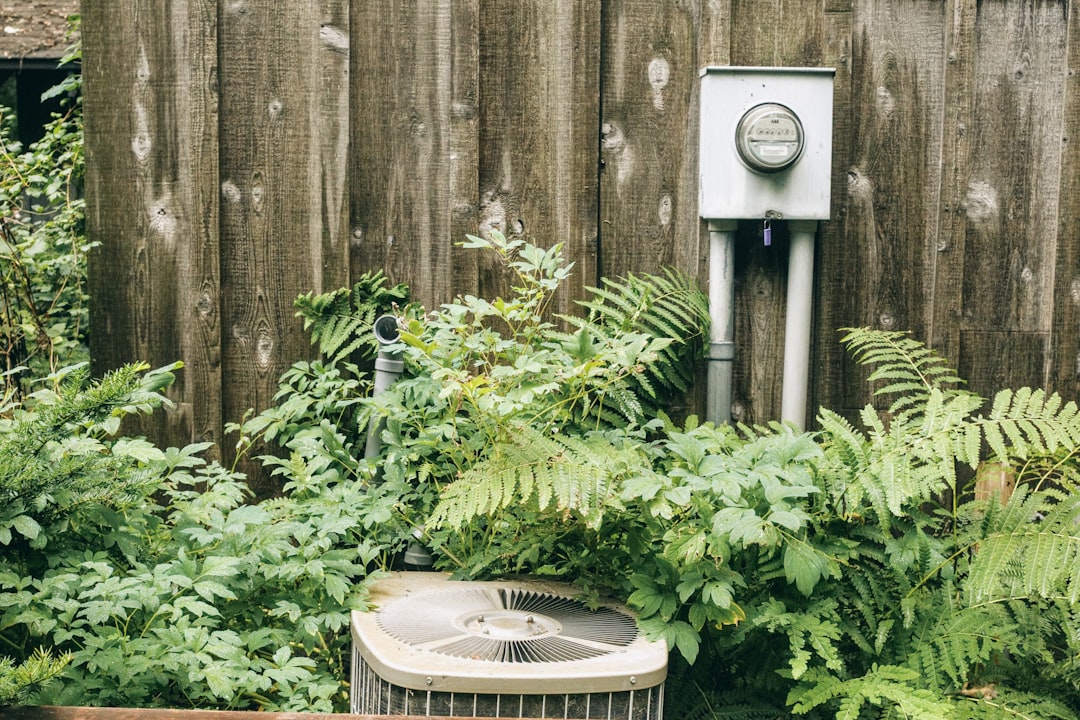
- The 24-Inch Rule: Maintain a two-foot “no-fly zone” around your outdoor unit. No bushes, no trash cans, and no storage.
- Filter Changes: Change your air filters every 1–3 months. It’s the simplest way to protect your Heat Pump Repair budget.
- Surge Protection: A whole-home surge protector can save your compressor’s sensitive electrical components from power spikes during a storm.
Frequently Asked Questions About Compressor Failure
How long does a heat pump compressor typically last?
With proper care, you can expect 10 to 15 years. In our local climate, systems that are well-maintained and not overworked by extreme thermostat settings often lean toward the 15-year mark. Factors like installation quality and how often you change your filters play a massive role in this.
What is the average cost to replace a heat pump compressor in 2026?
While costs vary based on the size of your unit and the type of refrigerant it uses, the part alone typically costs between $1,500 and $2,800. When you add in expert labor, refrigerant recovery, and system testing, the total often falls between $2,000 and $3,500.
Can I replace a heat pump compressor myself?
In short: no. Replacing a compressor requires handling high-voltage electricity and pressurized refrigerants. By law, anyone handling refrigerant must be EPA-certified. It also requires specialized tools like vacuum pumps and torches that most homeowners don’t have in their garage.
Conclusion: Your Indoor Comfort, In Expert Hands
Dealing with a failing heat pump can be stressful, but you don’t have to figure it out alone. At Haven Air Conditioning, we’ve spent years helping our neighbors in Anaheim, Orange, Fullerton, and throughout the Greater Orange County area stay comfortable.
Whether you need a quick repair to get your system back on its feet or a second opinion on a full system replacement, our team of certified, friendly professionals is here to help. We believe in transparency, neighborly service, and attention to detail.
Want to stop worrying about your HVAC altogether? Ask us about our Membership Maintenance Plan. Our members get priority scheduling and regular tune-ups that catch these compressor issues while they’re still small, inexpensive fixes.
If your heat pump’s heart has stopped beating — or if it’s just making a sound that has you worried — give us a call today. We offer 24/7 emergency support because we know that HVAC problems don’t always happen during business hours.