(714) 332-6302

Why Your AC Bill Spikes During Extreme Heat (And What to Do About It)
If you want to know how to lower your ac bill during extreme heat, here are the most effective steps you can take right now:
- Set your thermostat to 78°F when you’re home, and raise it 7-10°F when you leave
- Close blinds and curtains on east-facing windows in the morning and west-facing windows in the afternoon
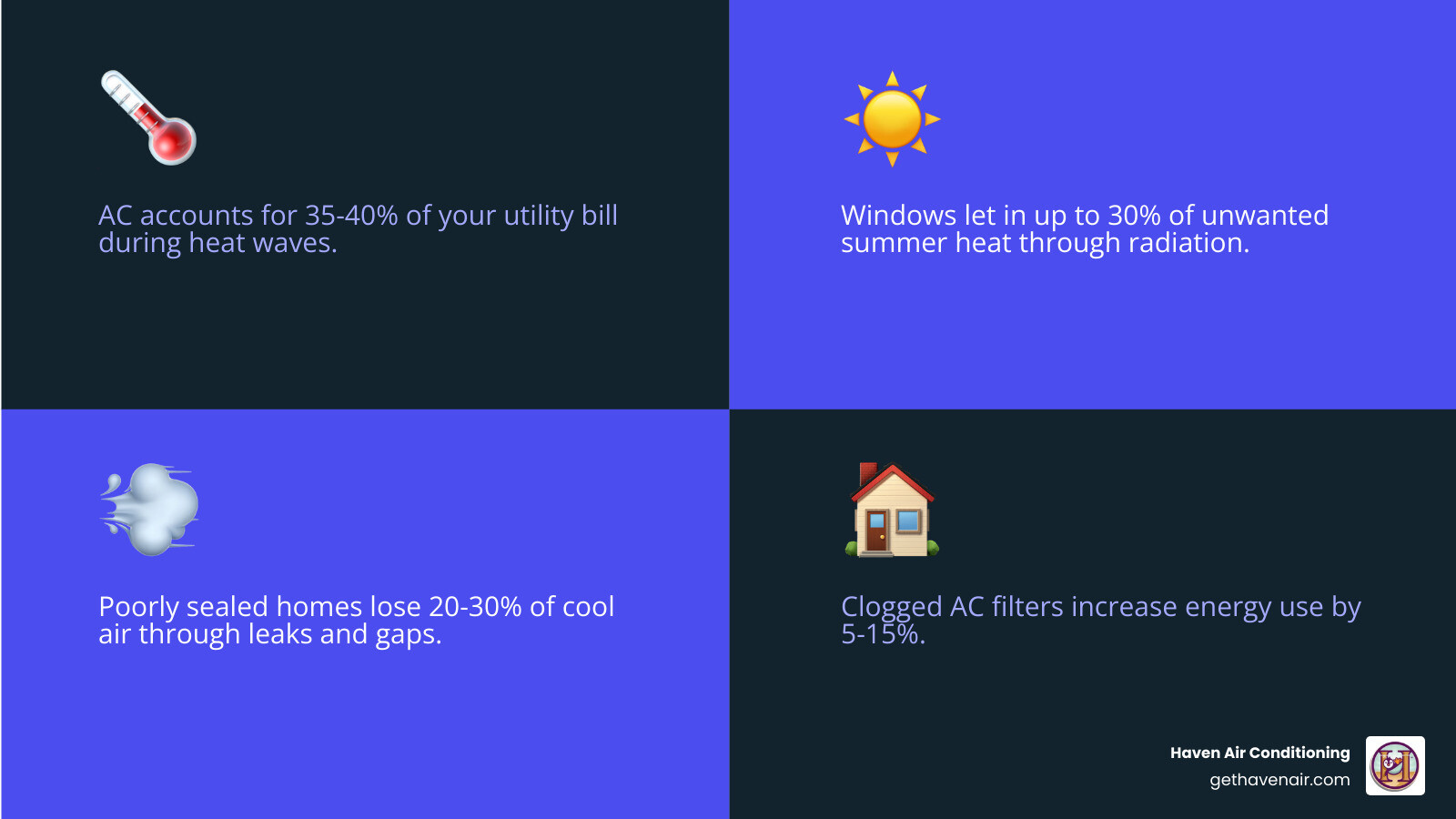
- Replace or clean your AC air filter — a clogged filter can increase energy use by 5 to 15%
- Use ceiling fans counterclockwise to create a cooling breeze and raise your thermostat by up to 4°F
- Seal air leaks around windows, doors, and ductwork to stop cool air from escaping
- Shift heat-generating tasks like cooking and laundry to early morning or after 8 p.m.
- Schedule AC maintenance before or during peak season to keep your system running efficiently
Here in Orange County, extreme summer heat isn’t just uncomfortable — it’s expensive. Air conditioning can account for 35 to 40 percent of your total utility bill, and during a heat wave, your system is working harder than ever just to keep up. When temperatures climb into the triple digits in cities like Anaheim, Irvine, and Fullerton, most households feel that pressure directly in their monthly energy costs.
The good news? A lot of that cost is preventable. Two of the biggest and most overlooked factors are heat entering your home through windows and walls, and cool air leaking right back out through gaps and poor insulation. When your home is losing the battle against outdoor heat before your AC even kicks on, your system never really gets a break — and neither does your wallet.
In this guide, we’ll walk you through exactly how insulation and shading work together to reduce the load on your AC, so your system runs less, lasts longer, and costs you less every single month.
The Hidden Enemy: How Heat Enters Your Home
When a heat wave hits Southern California, your house is under a constant thermal “attack.” Heat enters your home in three main ways: conduction (through walls and the roof), infiltration (through air leaks), and radiation (through windows).
If your home isn’t properly sealed or shaded, your air conditioner isn’t just cooling the air inside—it’s fighting a losing battle against the sun. In fact, air conditioners use at least 6% of all electricity in the U.S., costing homeowners a collective $29 billion every year. By understanding how heat creeps in, you can take the first steps toward how to save money on air conditioning.
Windows: The Biggest Source of Heat Gain
Windows are essentially “holes” in your home’s thermal envelope. Even high-quality windows allow radiant heat from the sun to pass through, warming up your furniture, floors, and walls. This “greenhouse effect” can make a room feel significantly hotter than the thermostat says, forcing the AC to cycle on more frequently.
The Role of Air Leaks and Poor Insulation
According to the EPA, nine out of ten homes in the U.S. are under-insulated. In cities like Norwalk and Whittier, many older homes suffer from “drafty” windows and poorly sealed doors. A typical duct system can lose up to 30% of its conditioned air due to leaks, holes, and poorly sealed connections. If you’re paying to cool the air, you want to keep it inside!
Shading Strategies: Stopping Heat Before It Starts
The most effective way to lower your cooling costs is to prevent the heat from ever entering your home. Think of shading as a protective shield for your house.
Interior Solutions: Blinds, Curtains, and Shades
One of the simplest answers to how to lower your ac bill during extreme heat is to manage your window treatments.
- Close the Blinds: Closing curtains or blinds during the hottest parts of the day can block a massive amount of solar heat.
- Blackout Curtains: These are specifically designed to reflect light and insulate against heat transfer.
- Timing Matters: Be proactive. Close the shades on the east side of your house before 10 a.m. and the west side by early afternoon.
Exterior Solutions: Solar Screens and Landscaping
If you can stop the sun before it hits the glass, you’re ahead of the game.
- Solar Screens: These eco-friendly mesh screens block heat and light without completely obstructing your view.
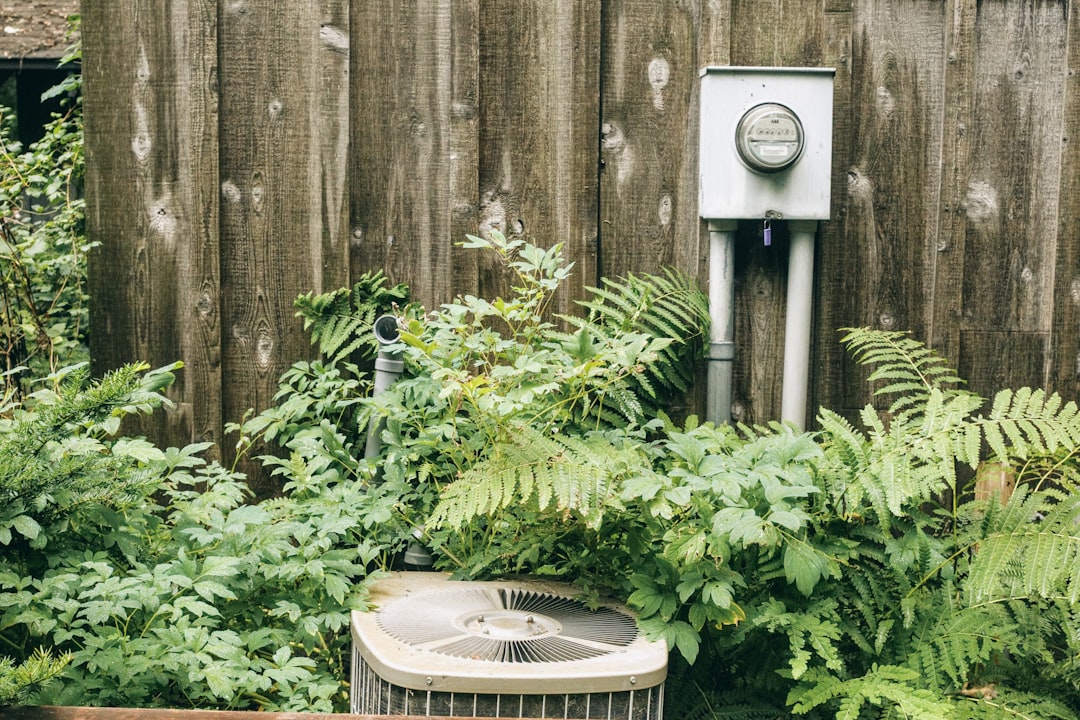
- Strategic Planting: Planting shade trees on the south and west sides of your home can create a natural cooling effect. Even shading your outdoor AC unit with shrubs (leaving at least two feet of clearance for airflow) can improve its efficiency by up to 10%.

Sealing and Insulation: Keeping the Cool Air In
Once you’ve blocked the sun, you need to make sure the air you’ve paid to cool stays inside. This is where sealing and insulation become your best friends.
Finding and Fixing Air Leaks
You don’t need a fancy tool to find leaks. On a hot day in Anaheim or Orange, run your hand around window frames and exterior door edges. If you feel cool air escaping, you’ve found a “pain point.”
- Caulk and Weatherstripping: Use caulk for gaps around window frames and weatherstripping for doors. These are low-cost DIY fixes that offer immediate returns.
- Attic Access: Don’t forget the attic door! This is often a major source of heat exchange.
The Power of Proper Insulation
Heating and cooling account for about 43% of your utility bills. Adding insulation to your attic and floors prevents treated air from escaping and keeps the “heat soak” from the roof from radiating into your living space. This is a long-term investment that pays for itself through lower monthly bills.
Smart Thermostat Habits for Extreme Heat
Many homeowners in the Greater Orange County area ask: “Should I turn off my AC when I leave?” The answer is usually no, especially during a heat wave.
The 7-10 Degree Rule
Instead of turning the unit off, adjust it. If you turn the AC off entirely, your home’s “thermal mass” (walls, furniture, floors) absorbs heat all day. When you get home to a 90-degree house, your AC has to work twice as hard for hours to catch up.
- The Strategy: Set your thermostat 7 to 10 degrees higher than your “at home” setting for eight hours a day. This can shave up to 10% off your electric bill each year.
Recommended Settings
- When Home: The U.S. Department of Energy recommends 78°F.
- The “Each Degree” Fact: Each degree you raise the thermostat setting reduces cooling energy use by roughly 3%.
- Smart Thermostats: Investing in a smart thermostat can reduce your AC bill by 15% on average. These devices learn your routine and can be controlled from your phone while you’re at the office in Irvine or shopping in Costa Mesa.
Maximizing Airflow with Ceiling Fans
Fans don’t actually lower the temperature of a room—they cool people. By moving air over your skin, they create a “wind chill effect” that helps sweat evaporate faster.
The Counterclockwise Trick
In the summer, ensure your ceiling fan is spinning counterclockwise. This pushes a cool breeze directly downward. A ceiling fan can make a room feel up to 4°F cooler, allowing you to raise your thermostat setting without losing comfort. Just remember: fans cool people, not rooms. Turn them off when you leave the room to save even more.
Maintenance: The Key to Efficiency and Longevity
An inefficient AC is an expensive AC. Small maintenance tasks prevent the system from overworking and help you avoid the dreaded mid-summer breakdown.
The 5-15% Filter Rule
Checking and replacing your air filter is the single most important thing you can do. During extreme heat, your AC runs more often, meaning the filter gets dirty faster. A clogged filter restricts airflow, forcing the motor to work harder and use more power. Clearing a clogged AC unit filter alone can save 5 to 15 percent in energy use. We recommend checking it every 30 days during the peak of summer. Check out our clean air conditioning tips for more help.
Professional Tune-Ups
Think of a tune-up as an oil change for your home. A professional technician can clean the coils, check refrigerant levels, and ensure all electrical components are functioning safely. AC tune-ups prevent mid-season breakdowns and ensure your system is running at its highest possible SEER rating.
Lifestyle Adjustments to Lower the Heat Load
Sometimes, we accidentally make our AC work harder through our daily habits.
Cooking and Laundry
Your oven and dryer are massive heat sources. Running them in the middle of a 100-degree day adds a “heat load” that your AC must then fight to remove.
- Outdoor Grilling: Take the cooking outside to keep the heat out of the kitchen.
- Off-Peak Chores: Do laundry or run the dishwasher after 8 p.m. Not only is it cooler then, but many utility companies in Riverside and Orange County offer lower rates during “off-peak” hours.
Dehumidification
In more humid areas like Huntington Beach or Newport Beach, the air can feel “heavy.” Humidity is a primary reason people lower thermostats excessively because standard ACs are better at cooling air than removing moisture. Running a dehumidifier can make 78°F feel much more comfortable.
When to Call the Professionals
Even with the best habits, an aging or struggling system might need expert attention. If you notice your AC running but not cooling, it’s time to investigate.
Signs Your AC is Struggling
- Spiking Bills: If your bill is significantly higher than last year despite similar weather.
- Strange Noises: Listen for rattling and buzzing AC sounds.
- Ice on the Unit: If you see ice on the refrigerant lines, turn it off immediately and call us. This often indicates low refrigerant in AC or a severely clogged filter.
- Constant Cycling: If the unit turns on and off every few minutes, it’s struggling to maintain the set temperature.
For more detailed signs, see our guide on signs your system needs HVAC repair services.
The “5,000 Rule” for Replacement
If your AC is over 12-15 years old, you might wonder how long do AC units last. A good rule of thumb is the $5,000 rule: multiply the cost of a repair by the age of the unit. If the result is more than $5,000, it’s usually more cost-effective to replace the system with a modern, high-efficiency model.
Your Comfort, Our Priority
At Haven Air Conditioning, we know exactly how brutal a Southern California summer can be. Whether you’re in Anaheim, Fullerton, or Corona, we’re here to ensure your home remains a sanctuary from the heat. From spring AC tune-ups to emergency repairs, our certified team is dedicated to your comfort.
We offer a membership maintenance plan that provides priority scheduling and regular check-ups to keep your system in peak condition year-round. Don’t wait for a total breakdown in the middle of a heat wave.
Ready to lower your bills and stay cool? Reach out to us for a second opinion or to schedule your summer AC system inspection. We’ll take care of your comfort so you can relax in your home.