(714) 332-6302

Why Understanding How Leaky Ducts Waste Energy and Money Could Cut Your Utility Bills in Half
How leaky ducts waste energy and money is one of the most overlooked problems in Orange County homes — and one of the most expensive. According to the U.S. Department of Energy, most homes lose 20 to 30 percent of conditioned air through gaps, cracks, and poorly connected ducts before it ever reaches a single room.
Here is a quick breakdown of how duct leaks drain your wallet:
- Air escapes before it reaches you — Up to 30% of the cool or warm air your HVAC produces leaks into attics, crawlspaces, and walls
- Your system works harder — A system losing just 20% of airflow is forced to work roughly 50% harder to maintain your set temperature
- Your energy bills climb — Leaky ducts can add 20 to 30% more to your monthly heating and cooling costs
- Your equipment wears out faster — Constant overwork shortens the life of your compressor, blower, and other components
- Your air quality suffers — Gaps in ductwork pull in dust, mold spores, and other contaminants from unconditioned spaces
For homeowners in Anaheim, Irvine, Fullerton, and across Orange County, where air conditioning runs hard for much of the year, those losses add up fast. A duct system that looks fine from the outside can quietly be sending hundreds of dollars worth of conditioned air straight into your attic every summer.
The good news? Sealing your ducts is one of the most cost-effective improvements you can make to your home. Most homeowners see meaningful savings on utility bills within the first year, and the investment typically pays for itself in just two to three years.

Essential how leaky ducts waste energy and money terms:
- duct system benefits for homeowners
- ductwork options for your home
- how duct installation affects comfort and efficiency
Understanding How Leaky Ducts Waste Energy and Money
To understand exactly how leaky ducts waste energy and money, we have to look at how a typical forced-air HVAC system functions. Your furnace or air conditioner acts like the heart of your home, while the ductwork serves as the circulatory system. If there are leaks in that circulatory system, your home loses both conditioned air and the pressure needed to distribute it evenly.
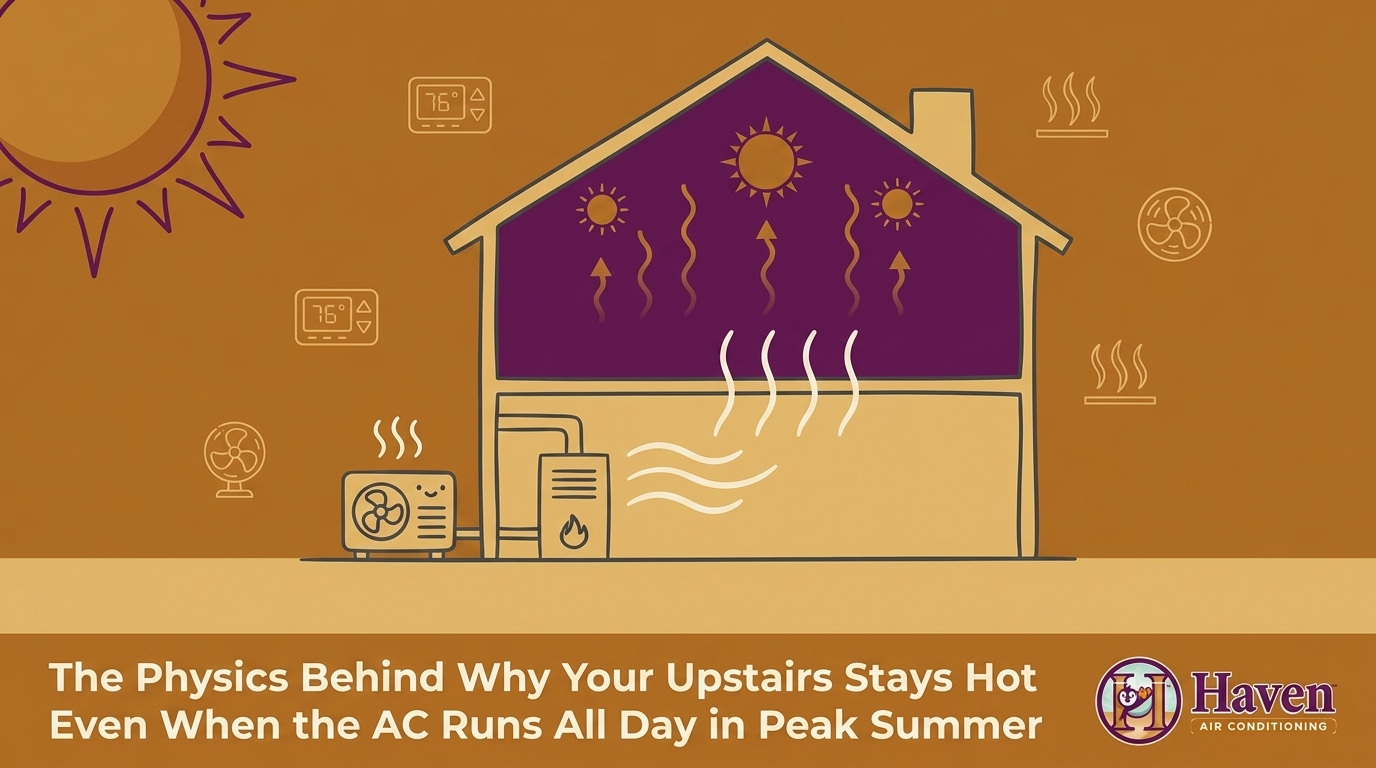
In typical Southern California homes—whether in the warm inland climates of Riverside and Corona or the coastal breezes of Laguna Beach—ductwork is often routed through unconditioned spaces like attics, basements, or crawlspaces. During a hot July afternoon, attic temperatures in places like Anaheim or Fullerton can easily climb to 120°F or even 130°F.
When your air conditioner pumps 55°F air through ductwork sitting in a 130°F attic, two major thermodynamic issues happen simultaneously:
- Direct Air Leakage: Cool air physically escapes through gaps, unsealed joints, and tears in the ductwork. Instead of cooling your living room, your expensive air conditioning is cooling your empty attic.
- Thermal Conduction: Even if the air doesn’t leak out, heat from the attic transfers through thin, uninsulated duct walls, warming the air before it ever reaches your registers.
When you combine these factors, typical duct systems lose between 25% and 40% of their heating or cooling energy. This means that for every dollar you spend on your utility bill, up to 40 cents is completely wasted.
When we look at the overall system efficiency, the numbers are eye-opening. If you pair a high-efficiency furnace or air conditioner with a leaky, uninsulated duct system, your net heating or cooling efficiency can drop to as low as 50%. You are essentially paying for a premium system but getting the performance of a decades-old unit. To learn more about how your system distributes air, check out our guide on Everything You Need to Know About Your Home’s Ductwork.
Common Signs and Hidden Costs of Duct Air Loss
Because ductwork is mostly hidden behind drywall, under floors, and in attics, identifying leaks can be tricky. However, your home will usually drop several hints that your duct system is failing. Recognizing these signs early can save you from months of inflated energy bills.
- Uneven Room Temperatures: If your master bedroom in Aliso Viejo is freezing but your kitchen is sweltering, your ducts are likely leaking. When air escapes along the run, the rooms furthest from the air handler receive almost no conditioned air.
- Excessive Dust and Debris: Do you find yourself dusting your furniture every other day? Leaky return ducts create a vacuum that sucks in insulation fibers, attic dust, and outdoor pollen, blasting them directly into your living spaces.
- Whistling or Rattling Noises: When ducts are poorly sealed or structurally compromised, the pressurized air moving through them can cause whistling, rushing, or rattling sounds.
- Unexplained Utility Spikes: If your energy bills are climbing month over month, but your local utility rates in Orange County have stayed relatively flat, your HVAC system is likely losing the battle against duct leaks.
- The Door Movement Test: A simple way to check for pressure imbalances is to turn on your HVAC system, crack a bedroom door open about an inch, and watch if it swings shut or opens wider on its own. This indicates that your supply and return airflows are unbalanced due to leakage.
For a clearer picture of how duct integrity impacts your monthly budget, consider this comparison of typical monthly operating costs:
| System Status | Avg. Monthly Summer Bill (Orange County) | Effective System Efficiency | Comfort Level | Estimated Annual Waste |
|---|---|---|---|---|
| Sealed Ducts (<5% Leakage) | $180 – $220 | 85% – 95% | Consistent, even temperatures | $0 – $50 |
| Typical Ducts (20% Leakage) | $240 – $290 | 65% – 75% | Moderate drafts, mild hot spots | $200 – $400 |
| Severe Leaks (30%+ Leakage) | $310 – $380 | 50% – 60% | Severe hot/cold spots, high dust | $500 – $800+ |
If you are noticing these warning signs in your home, it is highly likely that your ductwork is working against you. For a deeper look at the installation issues that cause these problems, read our In-Depth Guide to How Duct Installation Affects Comfort and Efficiency.
How Leaky Ducts Waste Energy and Money by Straining HVAC Equipment
The financial impact of leaky ducts goes far beyond your monthly utility bill. When your ductwork is losing 20% or more of its airflow, your entire HVAC system is forced into overdrive.
To maintain the temperature set on your thermostat, your air conditioner or furnace has to run longer and more frequently. This constant operation leads to a mechanical nightmare known as short-cycling, where the system rapidly turns on and off. Short-cycling accelerates wear and tear on critical, expensive components like your compressor, blower motor, and heat exchanger.
Additionally, a leaky return duct can restrict airflow, forcing the system to work against high static pressure. This extra strain is the leading cause of premature compressor burnout—a repair that can cost thousands of dollars or force an early system replacement. While a well-maintained HVAC system with sealed ducts can easily last 15 to 20 years, a system connected to leaky ducts often fails in just 10 to 12 years. If you suspect your system is under this kind of stress, professional Duct Repair is essential to protect your investment.
The Impact of Duct Leaks on Air Quality and Safety
While energy waste and high bills are frustrating, the impact of leaky ducts on your family’s health and safety is even more concerning. Your ductwork operates on a delicate balance of pressure. When supply ducts leak air out, return ducts must pull air in from somewhere to compensate.
This pressure imbalance turns your unconditioned spaces into major air sources for your living areas. If your return ducts have gaps and are located in a dusty, hot attic or a damp crawlspace, they will pull in:
- Fiberglass Insulation Particles: Microscopic glass fibers can be drawn from your attic into the air stream, causing skin, eye, and respiratory irritation.
- Mold and Mildew Spores: High humidity in unconditioned crawlspaces can lead to mold growth. Leaky ducts pull these spores into your home, compounding allergy and asthma symptoms.
- Radon and Soil Gases: In crawlspaces and basements, negative pressure can draw radon gas—the second leading cause of lung cancer—directly into your home’s breathing zone.
- Pest Contaminants: Dust mites, cockroach droppings, and rodent dander commonly accumulate in attics and crawlspaces. Leaky ducts act as a direct delivery system for these allergens.
Perhaps the most critical safety hazard associated with leaky ductwork is combustion backdrafting. If your home has gas-fired appliances like a water heater or furnace, leaky ducts can create negative pressure zones near these units. Instead of safety exhaust gases traveling safely up the flue and out of your home, the negative pressure can pull deadly carbon monoxide back down into your living spaces.
Keeping your ducts clean and intact is vital for a healthy home environment. To understand how to combat these pollutants, explore our guide on Air Duct Cleaning Service: Clean Air at Home.
How Leaky Ducts Waste Energy and Money and Pollute Your Indoor Air
In many older homes across Orange County, builders historically used “panned joists” or wall cavities as return air ducts. This means instead of installing actual metal or flexible ducting, they simply nailed a piece of sheet metal over the space between floor joists or wall studs to channel air.
These building cavities are incredibly leaky. They are not airtight, and they constantly pull in dust, chemical vapors from building materials, and pest debris from inside your walls. Every time your system kicks on, it circulates these dirty particles throughout your home.
By investing in professional Duct Cleaning and sealing, you can shut down these pathways for pollution, ensuring that the air your family breathes is fresh, clean, and safe.
Professional Sealing vs. DIY: Why Expert Solutions Win
When homeowners realize their ducts are leaking, their first instinct is often to head to the local hardware store in Costa Mesa or Westminster for a roll of standard silver duct tape. Ironically, standard duct tape should never be used on ductwork.
Despite its name, the rubber-based adhesive on standard duct tape dries out quickly when exposed to the intense, fluctuating heat of a home furnace or attic. Within a few months, the tape will crack, peel, and fall off completely, leaving your ducts as leaky as before.
To achieve a true, long-lasting seal, professionals use advanced materials and diagnostic tools:
- Mastic Sealant: This is a thick, paste-like adhesive applied with a brush. It remains flexible even after curing, allowing it to expand and contract with the temperature changes of your system without cracking. For gaps wider than a quarter-inch, technicians embed fiberglass mesh tape within the mastic for structural strength.
- UL-181 Rated Foil Tape: This specialized aluminum tape is rated specifically for HVAC applications. It features an acrylic adhesive that resists heat and moisture, ensuring it stays bonded to metal and flexible ducts for decades.
- Aeroseal Technology: This is a cutting-edge, computer-controlled process where non-toxic sealant particles are suspended in the air and blown through your pressurized duct system. The particles automatically seek out and seal leaks from the inside out, closing holes up to 5/8 of an inch wide.
- Blower Door and Duct Blaster Testing: Before any sealing begins, professionals use calibrated pressure fans and diagnostic software to measure exactly how much air your system is losing. This scientific approach ensures no hidden leaks are missed.
Attempting to seal your own ducts is not only incredibly difficult due to tight, hard-to-reach spaces in attics and crawlspaces, but it can also be risky. If you seal your ducts without balancing the system’s airflow, you can accidentally restrict ventilation, leading to equipment failure or carbon monoxide issues.
Working with certified professionals ensures the job is done safely, effectively, and backed by a warranty. If you are considering upgrading or repairing your system, take a look at The Best Ductwork Options for Your Modern Home to see what solutions fit your property.
Frequently Asked Questions About Duct Performance
How much money can I save by sealing my ducts?
For a typical 1,200 to 1,500 square foot home in Orange County or Riverside, sealing leaky ducts can save you between $200 and $400 annually on your utility bills. Because energy prices fluctuate, homeowners with larger properties or older, highly inefficient systems can see even greater savings. Most families find that the upfront investment in professional duct sealing pays for itself in energy savings within just 2 to 3 years, while immediately improving comfort and indoor air quality.
Can I use standard silver duct tape for repairs?
Absolutely not! Standard silver duct tape is not UL-rated for HVAC use. The adhesive dries out, becomes brittle, and fails under the constant heat and airflow of your heating and cooling system. For permanent repairs, you must use UL-181 rated foil tape or, better yet, professional-grade duct mastic sealant.
How often should my ductwork be inspected for leaks?
We recommend having your ductwork professionally inspected every 3 to 5 years. However, if you live in an older home, have recently completed a major home renovation, or suspect rodent activity in your attic or crawlspace, you should have them checked sooner. Regular inspections are the best way to catch small tears before they turn into major energy-wasting failures.
Conclusion
If you want to stop throwing money away on high utility bills and enjoy a cleaner, more comfortable home, addressing your ductwork is the perfect place to start. At Haven Air Conditioning, we have spent years helping our neighbors in Anaheim, Orange County, and Riverside keep their homes running efficiently.
Our team of friendly, certified professionals specializes in comprehensive HVAC diagnostics, repairs, and installations. We pride ourselves on exceptional customer service and transparent, worry-free solutions. We also offer a dedicated membership maintenance plan that gives you priority scheduling and peace of mind all year long.
Don’t let your hard-earned money escape into your attic. Contact us today to schedule your duct inspection and take the first step toward a more efficient, comfortable home!
To get started, explore our full range of Duct Services and let us put your indoor comfort in expert hands.