(714) 332-6302

Why Spring AC Preparation After Winter Is Essential for Orange County Homes
Spring AC preparation after winter is one of the smartest things you can do as a homeowner — especially here in Orange County, where temperatures can swing from coat weather to air conditioning weather almost overnight.
Here’s a quick summary of what good spring AC prep looks like:
- Flip the circuit breaker on 24 hours before first use to warm the compressor’s refrigerant oil
- Replace your air filter (aim for MERV 8–11) before running the system
- Clear debris and trim vegetation to maintain at least 2 feet of clearance around the outdoor unit
- Flush the condensate drain line with distilled white vinegar to prevent clogs and water damage
- Check your thermostat — replace batteries, switch to cooling mode, and set the fan to “Auto”
- Remove any winter covers from the outdoor unit before startup
- Run a 15–20 minute test cycle while listening for unusual sounds
- Schedule a professional tune-up to check refrigerant levels, electrical connections, and coils
After months of sitting idle, your AC system collects dust, debris, and wear that you simply can’t see. Heating and cooling already accounts for roughly 42% of the average home energy bill — and a neglected system can use up to 30% more energy than one that’s been properly maintained. That’s real money, especially during a long Orange County summer.
The good news? A little attention now — before the heat hits Anaheim, Irvine, Fullerton, and the rest of the region — can reduce your cooling costs by 5% to 15%, extend your system’s lifespan by 3 to 5 years, and help you avoid the expensive scramble for emergency repairs when everyone else’s AC breaks down on the same 95-degree day.
This guide walks you through every step, from simple DIY tasks any homeowner can handle to the professional checks that keep your system running safely and efficiently all summer long.
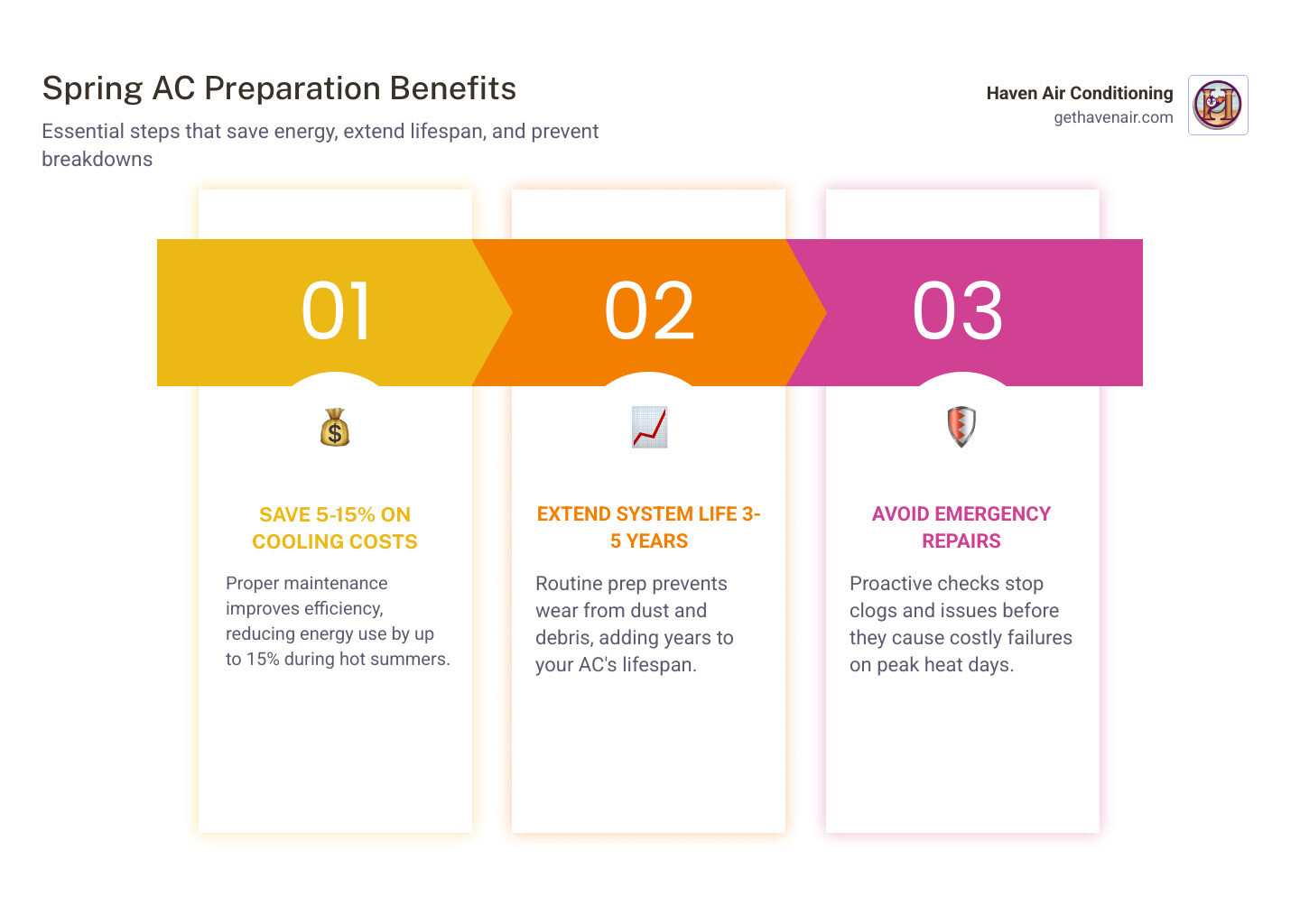
As we move through May 2026, the “summer rush” for HVAC services is just around the corner. In cities like Anaheim and Buena Park, the transition from mild spring days to sweltering afternoons happens fast. By taking these proactive steps, you aren’t just buying comfort; you’re protecting a major investment. Statistics show that routine maintenance can improve airflow by 10% to 46%, ensuring that every dollar you spend on electricity actually goes toward cooling your home rather than fighting against a dirty, neglected machine.
Essential DIY Steps for Your Spring AC Preparation After Winter
You don’t need to be a certified technician to handle some of the most impactful parts of spring ac preparation after winter. Most of the “heavy lifting” involved in keeping a system efficient is actually about basic cleanliness and airflow.

The Homeowner’s Toolkit for AC Prep
Before you start, gather these simple items:
- A fresh, high-quality air filter (MERV 8 to 11 is the “sweet spot”).
- A screwdriver (if your vent covers are screwed in).
- A vacuum with a brush attachment.
- Distilled white vinegar.
- Fresh batteries for your thermostat.
- A garden hose (not a pressure washer!).
The first and most critical step is air filter replacement. A dirty filter is the number one cause of AC performance issues. It forces your blower motor to work harder, which can lead to a premature burnout. We recommend checking your filter every month and changing it at least every three months—though during the high-pollen spring season in places like Fullerton or Whittier, once a month is even better.
Next, walk through your home and check every vent and return grille. It’s common during winter to move furniture or rugs over vents to keep a room cozy, but these blockages will stifle your AC. Ensure all registers are open and clear. While you’re there, use your vacuum to suck away any dust bunnies that have settled on the grilles during the winter months. For more detailed advice on keeping your system in top shape, check out our guide on hvac preventive maintenance.
Maximizing Efficiency with Spring AC Preparation After Winter
Efficiency is all about airflow. When your system can breathe easily, it cools your home faster and shuts off sooner, saving you money. When selecting your filter, look for the MERV rating. While a MERV 13 might sound better because it catches smaller particles, it can sometimes be too restrictive for older residential systems. A MERV 8 to 11 filter provides an excellent balance of air filtration and airflow for most homes in the Orange County area.
Proper spring ac tune-ups and system inspection also involve looking at the “hidden” parts of your indoor system. Dust can accumulate on the blower fan and the indoor evaporator coil even while the furnace is running in the winter. Keeping the air clean at the source prevents this buildup from turning into a “sticky blanket” of grime that reduces cooling power.
Protecting Your Investment Through Spring AC Preparation After Winter
One of the most common (and preventable) causes of home water damage is a clogged condensate drain line. As your AC removes humidity from the air, that water has to go somewhere. If the drain line is clogged with algae or mold—which loves the humid environment inside your unit—the water will back up.
In some cases, this can lead to water leaking through your ceiling or flooding your closet. A simple DIY fix is to pour one cup of distilled white vinegar down the drain line access port. This kills off any growing bio-matter and keeps the line clear. Performing a summer ac performance check in orange before the humidity peaks is the best way to ensure your home stays dry and cool.
The 24-Hour Rule and Safe Startup Procedures
This is perhaps the most overlooked step in spring ac preparation after winter. If you only take one thing away from this guide, let it be this: Do not just flip the thermostat to “Cool” on the first hot day and hope for the best.
Most outdoor AC units have a “crankcase heater.” Its job is to keep the refrigerant oil warm. Over a long, cold winter in places like Riverside or Yorba Linda, that oil can become thick or even mix with liquid refrigerant. If you start the compressor with cold, thick oil, it’s like trying to start a car engine that’s been sitting in the Arctic—it causes massive internal strain and can lead to a “dead” compressor.
The 24-Hour Rule: Switch the breaker for your AC to the “On” position at least 24 hours before you intend to actually run the cooling cycle. This gives the heater enough time to warm the oil to the correct viscosity, ensuring a smooth, safe startup.
| Task | DIY Startup | Professional Inspection |
|---|---|---|
| Filter Change | Yes | Included |
| Clear Debris | Yes | Included |
| Check Refrigerant | No (Requires License) | Yes |
| Test Capacitors | No (Dangerous Voltage) | Yes |
| Flush Drain Line | Yes | Included |
| Clean Coils | Basic Rinse | Deep Chemical Clean |
Before you flip that switch, make sure you’ve performed an end of summer ac system check or a fresh spring inspection to ensure no pests have nested inside the unit over the winter.
When to Call a Professional for a Precision Tune-Up
While DIY steps are fantastic for maintenance, there are technical aspects of your system that require a professional touch. High-voltage electrical components and pressurized refrigerant lines are not for the “weekend warrior.”
You should call us for a professional tune-up if:
- You suspect a refrigerant leak: If your AC is running but the air coming out of the vents isn’t cold, or if you hear a hissing sound, you likely have a leak. Refrigerant is not “used up” like gas in a car; if it’s low, there is a hole that needs to be fixed.
- You hear strange noises: Grinding, squealing, or loud metallic banging upon startup are signs of mechanical failure in the fan or compressor.
- Your electrical bills are spiking: This often indicates a failing capacitor or a motor that is drawing too much power.
- The outdoor coils are heavily soiled: If a garden hose doesn’t do the trick, you may need a professional chemical cleaning to restore airflow.
Our ac service what our professionals offer includes a comprehensive 21-point inspection that covers everything from thermostat calibration to tightening electrical connections that may have loosened due to seasonal temperature shifts. For the ultimate peace of mind, many of our neighbors in Anaheim and Irvine choose an air conditioner maintenance plan, which provides priority scheduling and regular check-ups to catch small problems before they become $2,000 emergencies.
Frequently Asked Questions about Spring AC Preparation
We get a lot of questions from homeowners in the Greater Orange County area about the best way to handle the transition into summer. Here are the most common ones we hear.
When is the best time to turn on my AC for the first time?
Don’t wait for a 95-degree heatwave! The best time to test your system is on a mild spring day when the outdoor temperature is at least 60°F (testing below this can cause the coils to freeze). By testing early, you can identify issues while HVAC companies still have open appointments. Once the first triple-digit day hits, every technician in Orange County will be booked solid for weeks.
Why is my AC blowing warm air after sitting all winter?
First, check the basics: Is the thermostat set to “Cool” and the fan to “Auto”? Is the air filter so clogged that no air can move? If those are fine, the issue might be a tripped breaker, a blown fuse in the outdoor disconnect box, or a refrigerant leak. Our hvac maintenance plan complete guide covers more troubleshooting tips, but if the air doesn’t get cold within 15 minutes, turn the system off to prevent damage and give us a call.
How do I safely clean my outdoor condenser unit?
The outdoor unit is the “heat radiator” for your home. If it’s covered in leaves, dirt, or spider webs, it can’t release heat.
- The 2-Foot Rule: Trim back all bushes, grass, and weeds to ensure there is at least two feet of clear space around the unit on all sides.
- Debris Removal: Turn off the power and clear out any leaves or twigs that have fallen through the top grille.
- The Gentle Rinse: Use a garden hose with a standard nozzle to gently rinse the fins from the inside out. Never use a pressure washer. The high-pressure stream will bend the delicate aluminum fins flat, permanently blocking airflow and potentially destroying your compressor.
Conclusion
Preparing your home for the warm months ahead doesn’t have to be a source of stress. By following these steps for spring ac preparation after winter, you’re ensuring that your family stays comfortable and your bank account stays protected from unnecessary energy costs.
At Haven Air Conditioning, we’re more than just technicians; we’re your neighbors. Whether you’re in Anaheim, Fullerton, Irvine, or anywhere in the Greater Orange County and Riverside areas, our team of certified, friendly professionals is here to help. From a simple second opinion to a precision tune-up, we treat your home with the same care we’d give our own.
Don’t wait for the heat to catch you off guard. Take control of your comfort today. If you’d like the experts to handle the technical details for you, reach out to schedule your hvac maintenance plan anaheim ca and enjoy the peace of mind that comes with a system that’s truly summer-ready.