(714) 332-6302

Why Your Heat Pump Is Acting Up — and What’s Really Behind It
The most common heat pump repairs and what causes them are something every Orange County homeowner should understand — especially when your system picks the hottest day in Irvine or a cold January night in Anaheim to stop working properly.
Here’s a quick overview of the most frequent heat pump issues and their causes:
| Repair Issue | Most Common Cause |
|---|---|
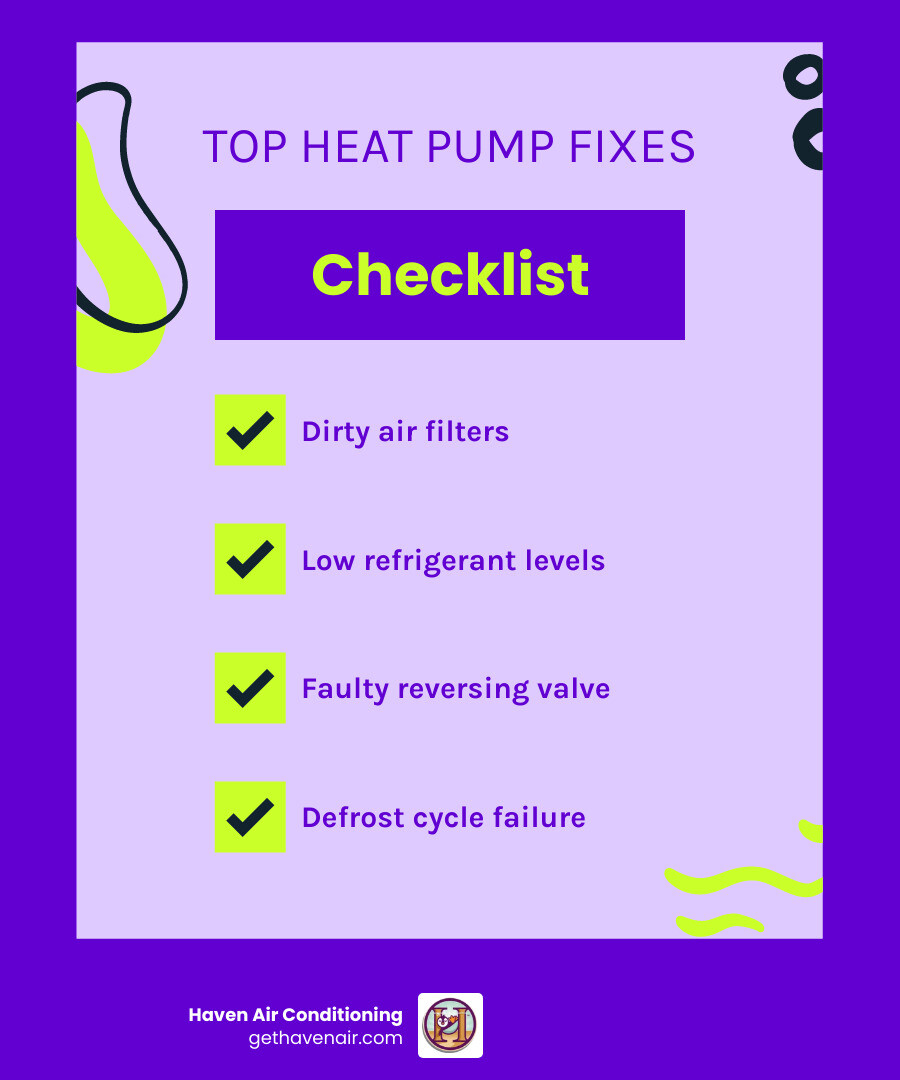
| Insufficient heating or cooling | Dirty air filters, low refrigerant, faulty reversing valve |
| Frozen coils | Restricted airflow, refrigerant leak, defrost cycle failure |
| Short cycling | Oversized unit, thermostat miscalibration, dirty coils |
| Strange noises | Failing capacitor, loose fan blades, worn motor bearings |
| System won’t turn on | Tripped breaker, faulty thermostat, failed contactor |
| Constantly running | Poor insulation, undersized unit, refrigerant leak |
| Weak airflow | Clogged filter, blocked registers, dirty coils |
Nearly 30% of heat pump owners report insufficient heating or cooling as their top complaint — and in most cases, the root cause is something that could have been caught early with routine maintenance. A neglected heat pump can use up to 25% more energy just to produce the same results, driving up your utility bills while comfort quietly slips away.
Heat pumps are reliable, efficient systems — but they’re also complex. They combine electrical components, refrigerant chemistry, and mechanical moving parts that all need to work together. When one piece starts to fail, it puts stress on everything else. The good news is that most problems follow predictable patterns, and knowing what to look for can save you time, money, and a lot of frustration.
In this guide, we’ll walk you through each of the most common heat pump failures, what’s causing them, and what you can do about it — whether that’s a simple DIY fix or a call to a certified technician.
The Most Common Heat Pump Repairs and What Causes Them
When we talk about the most common heat pump repairs and what causes them, we have to start with the single most frequent culprit: the air filter. It sounds simple, but a heavily clogged HVAC air filter is the number-one cause of system strain and the most frequent reason we get called out for repairs in May 2026.

When your filter is packed with dust, pet dander, and Orange County allergens, your heat pump has to work twice as hard to pull air through the system. This airflow restriction leads to a “suffocating” effect on the unit. Research shows that a neglected system can waste up to 25% more energy, and it often leads to a total system shutdown. To understand the mechanics of why this happens, it helps to review Heat Pump 101: How It Heats and Cools Your Home, which explains how airflow is the lifeblood of the heat transfer process.
If you find yourself thinking, “My Heat Pump Is Not Heating,” or cooling effectively, you aren’t alone. Approximately 30% of owners report insufficient performance as their primary issue. Beyond filters, this is often caused by dirty coils or debris blocking the outdoor unit, which prevents the refrigerant from either absorbing or releasing heat as it should.
Why Most Common Heat Pump Repairs and What Causes Them Include Short Cycling
Short cycling is when your heat pump turns on and off rapidly without ever completing a full heating or cooling cycle. This is incredibly hard on the equipment, specifically the compressor and blower motor.
One of the most common causes of short cycling is an oversized unit. If a system is too powerful for the square footage of your home, it will blast the rooms with air and shut off before it can properly dehumidify or balance the temperature. This is why we often discuss Heat Pump Zoning as a solution for larger homes in Irvine to ensure even comfort without the wear and tear of constant cycling.
Other causes include thermostat miscalibration or improper placement. If your thermostat is located near a drafty window or a heat source, it will get “confused” and trigger rapid on-off cycles. Over time, this leads to premature motor failure, leaving you with a quiet, broken system right when you need it most.
Identifying Strange Sounds and Electrical Failures
Your heat pump should run with a steady, predictable hum. When it starts making “scary” noises, it’s usually trying to tell you that a specific component is failing.
- Clicking Sounds: This often indicates a failing starter capacitor. The capacitor is like a battery that gives the motor the “kick” it needs to start. If it’s clicking but the unit won’t turn on, it’s time for a professional replacement.
- Grinding or Squealing: This typically points to worn motor bearings or loose fan blades. If you hear this, you should shut the system down immediately to prevent the fan from coming loose and causing catastrophic internal damage.
- Buzzing: This is often a sign of a faulty contactor or an electrical surge issue.
For homeowners in Fullerton or Irvine, these sounds are often the first sign that you need Fast, Reliable Emergency Heat Pump Repair in Irvine. Electrical failures, such as burnt-out wires or tripped breakers, are common in our area due to the high demand placed on systems during our scorching summer months.
Dealing with Frozen Coils and Refrigerant Leaks
It might seem strange to see ice on an HVAC unit during a warm Southern California afternoon, but frozen coils are a major red flag.
| Feature | Normal Defrost Frost | Emergency Ice Buildup |
|---|---|---|
| Appearance | Light, translucent dusting | Thick, solid white ice blocks |
| Duration | Lasts 10–15 minutes | Persistent, does not melt |
| Performance | System continues to heat/cool | Blowing cold air in heat mode |
| Action | None needed; system is working | Turn off unit and call a pro |
Frozen evaporator coils are usually caused by either restricted airflow (that dirty filter again!) or low refrigerant levels. If your refrigerant is low, the remaining liquid expands too much, causing the temperature of the coils to drop below freezing. Condensation then turns to ice, creating an insulating layer that prevents the system from working.
If you hear hissing or bubbling noises or notice an oily residue near the refrigerant lines, you likely have a leak. Because refrigerant is a regulated chemical, EPA-certified technicians are required by law to handle the repair. You should never attempt to “top off” your own refrigerant.
Understanding Most Common Heat Pump Repairs and What Causes Them to Freeze
While some frost is normal during the winter heating cycle, the system should automatically enter a “defrost mode” to melt it away. If your unit is encased in ice, you likely have a defrost cycle failure.
This can be caused by a malfunctioning reversing valve, which is the component that allows the heat pump to switch between heating and cooling. If the valve gets stuck, the system can’t reverse the flow of refrigerant to warm up the outdoor coils. Other causes include outdoor sensor faults or blocked drainage. In the Riverside area, where we can see significant temperature swings, Heat Pump Repair Riverside CA often involves clearing debris or fixing sensors that have been impacted by local climate conditions.
Repair vs. Replacement: The 50% Rule for Homeowners
As your heat pump nears the end of its typical 12–15 year lifespan, you’ll eventually face the big question: Do I keep fixing it, or is it time for something new?
We recommend the 50% Rule. If the cost of a single repair exceeds 50% of the value of a brand-new system, replacement is usually the smarter financial move. For example, a compressor replacement can cost between $2,500 and $5,000. If your unit is 12 years old, spending that much on a “heart transplant” for an old machine often doesn’t make sense when you could invest in a modern, high-efficiency SEER2 unit.
Understanding How Long Does a Heat Pump Last? helps you plan for these milestones. Upgrading can lead to massive efficiency gains, especially if your current unit is over a decade old. For those in Anaheim considering an upgrade, our Heat Pump Installation Guide provides a roadmap for selecting the right system for your home’s specific needs.
DIY Maintenance Tips to Prevent System Failure
Many of the most common heat pump repairs and what causes them are entirely preventable. You don’t need to be an HVAC expert to take these simple steps to protect your investment:
- Change Filters Monthly: In the Greater Orange County area, dust and pollen can clog a filter faster than you’d think. Check it every 30 days.
- Maintain Clearance: Ensure there is at least a two-foot clearance around your outdoor unit. Trim back bushes, remove fallen leaves, and make sure no patio furniture is blocking the airflow.
- Check the Thermostat: Sometimes the “breakdown” is just a set of dead batteries or an incorrect setting. Ensure your fan is set to “Auto” rather than “On” to prevent unnecessary wear.
- Clear the Drain Line: If you see water pooling near your indoor unit, your condensate drain line might be clogged.
- Visual Inspections: Periodically look at your outdoor coils. If they look like they are covered in a “blanket” of dust, they need a gentle cleaning.
By staying proactive, you can Get Your Heat Pump Repaired Without Breaking the Bank in Aliso Viejo or avoid the repair altogether. We also highly recommend signing up for a professional maintenance plan. Our members get priority scheduling and two precision tune-ups a year, which is the best way to catch tiny issues before they turn into $2,000 headaches.
Frequently Asked Questions about Heat Pump Repairs
Why is my heat pump running constantly?
During extreme summer heat in Irvine or winter chills in Fullerton, your heat pump might run for long stretches. However, if it never stops, it could be due to an undersized unit, a refrigerant leak, or poor home insulation. When the system can’t reach the temperature set on the thermostat, it will keep trying indefinitely.
How much does a typical heat pump repair cost?
On average, most minor repairs like replacing a capacitor, contactor, or clearing a drain line range from $150 to $600. Major component failures, such as the compressor or the reversing valve, can cost significantly more, often exceeding $1,000 once labor and parts are included.
When should I call a professional instead of DIY?
If you smell something burning (electrical failure), hear loud grinding or banging (mechanical failure), or see persistent ice buildup, call us immediately. Any task involving refrigerant or high-voltage electrical wiring should always be handled by a certified technician for your safety and to keep your manufacturer’s warranty valid.
Conclusion
At Haven Air Conditioning, we know that a malfunctioning heat pump is more than just a technical problem — it’s a disruption to your family’s comfort and peace of mind. As your neighbors in Anaheim and throughout Orange County, we’re committed to providing transparent, expert service that gets your home back to the perfect temperature quickly and affordably.
Whether you’re dealing with a strange noise in Irvine or need a second opinion on a replacement in Fullerton, our team is here to help. We believe in “Your Indoor Comfort, In Expert Hands,” and we treat every home like it’s our own.
Schedule your professional heat pump repair in Orange County today and let us take the stress out of your HVAC maintenance.