(714) 332-6302

Why Indoor Air Quality Matters More Than You Think
As a homeowner in Orange County or Riverside, you might assume your indoor air is cleaner than the smoggy outdoors. But research shows indoor air can be two to five times more polluted than outdoor air. Since Americans spend about 90% of their time indoors, this is a serious health concern.
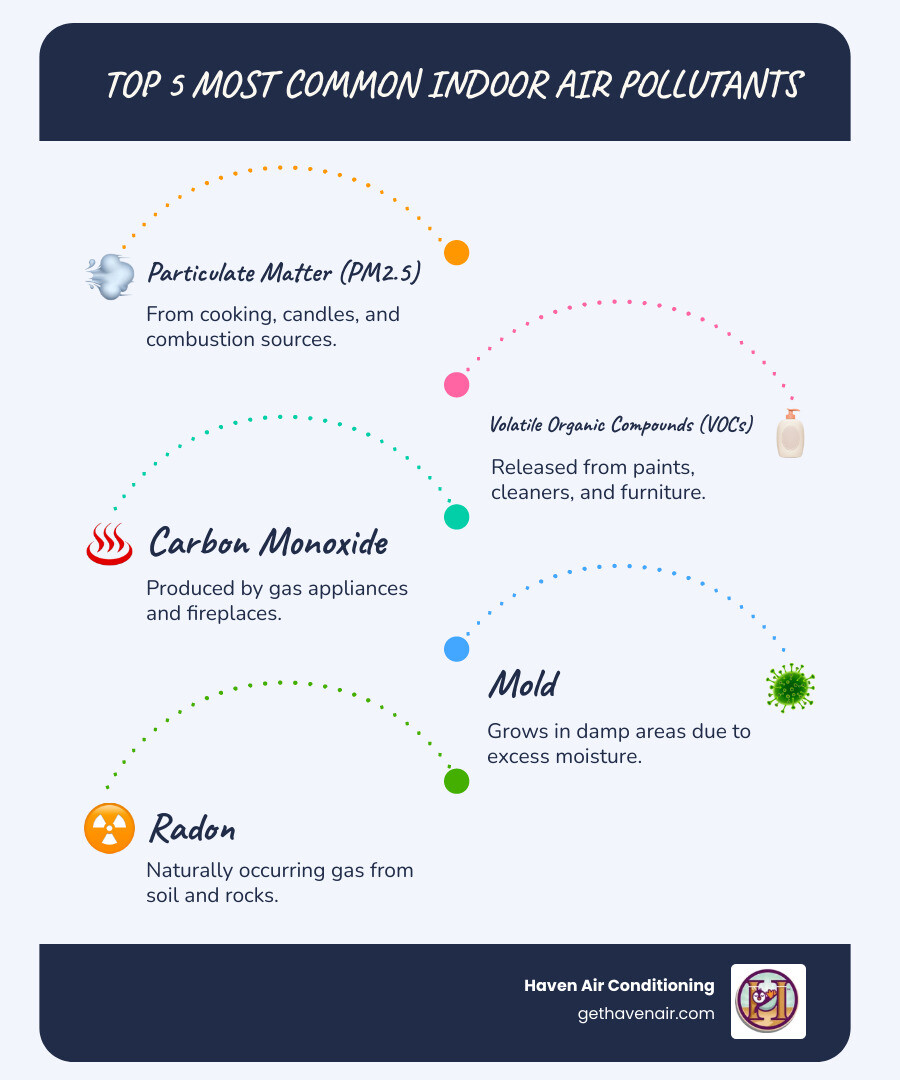
Most common indoor air pollutants include particulate matter (PM2.5), volatile organic compounds (VOCs), carbon monoxide, mold, radon, and secondhand smoke. These contaminants often come from everyday sources like cooking, cleaning products, building materials, and poorly maintained HVAC systems.
These pollutants can trigger headaches, fatigue, respiratory issues, and even long-term diseases like asthma and heart disease. For families in Anaheim, Fullerton, and Irvine, identifying these hidden threats is the first step toward breathing easier.
For expert guidance on maintaining healthy air in your home, see our comprehensive HVAC services, or contact Haven Air Conditioning for a professional indoor air quality assessment.
What Are the Most Common Indoor Air Pollutants and Their Sources?
The air inside your Orange County home can be far more contaminated than the air outside. Understanding the most common indoor air pollutants and where they’re hiding is your first step toward protecting your family’s health.
These invisible troublemakers generally fall into three main categories: biological contaminants, chemical pollutants, and combustion byproducts. They come from sources that release gases or particles directly into your living spaces, from everyday activities like cooking to the very materials used to build your home. The Environmental Protection Agency offers an excellent introduction to indoor air quality that’s worth exploring.
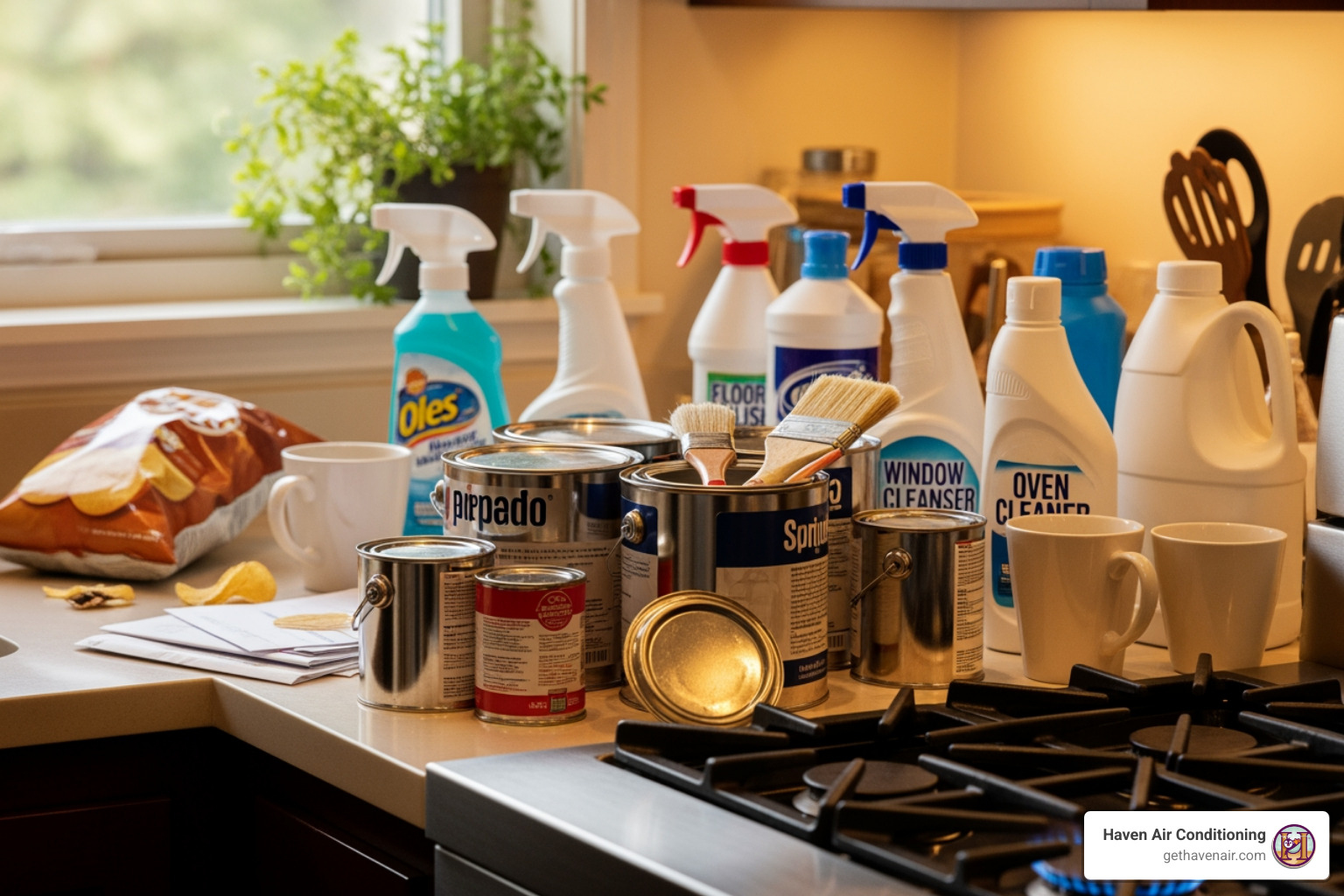
Biological Pollutants: Mold, Dander, and Dust
Biological pollutants are living or once-living organisms that can impact health, especially for those with allergies or respiratory issues.
- Mold and mildew thrive in damp areas like bathrooms and basements, releasing spores that trigger allergies and asthma. The key is to keep your home dry and fix leaks promptly.
- Pet dander comes from pets’ skin flakes, saliva, and fur. These airborne allergens settle into carpets and circulate through your HVAC system. Pet dander is another common indoor air pollution source.
- Dust mites are microscopic creatures in bedding and furniture that feed on shed skin cells. Their droppings are powerful allergens.
- Pollen sneaks indoors on clothes and pets or through open windows, triggering allergy symptoms.
- Bacteria and viruses can become airborne in poorly ventilated rooms. A poorly maintained HVAC system can spread these microorganisms throughout your home.
These pollutants cause symptoms from sneezing and watery eyes to coughing and asthma flare-ups. The American Lung Association provides helpful guidance on maintaining clean air at home.
Chemical Pollutants: VOCs, Radon, and Pesticides
Many modern household products release invisible and often odorless chemical pollutants into your air.
- Volatile Organic Compounds (VOCs) are gases from paints, cleaners, air fresheners, and furniture. They can cause irritation, headaches, and nausea. The EPA details how volatile organic compounds impact indoor air quality.
- Formaldehyde is a strong-smelling VOC found in pressed wood products, glues, and some fabrics. It can cause eye and respiratory irritation and is a known carcinogen.
- Radon gas is a colorless, odorless radioactive gas that seeps from the ground through foundation cracks. It’s the leading cause of lung cancer among non-smokers.
- Pesticides can linger in the air and on surfaces, with long-term exposure linked to neurological problems and increased cancer risk.
- Asbestos is a concern in homes built before the 1980s, found in insulation, tiles, and paints. Remodeling can release dangerous fibers that cause lung disease. The Consumer Product Safety Commission provides guidance in their Inside Story: A Guide to Indoor Air Quality.
- Lead dust from deteriorating paint in older homes is especially dangerous for children.
Combustion Pollutants: Smoke and Gases
Combustion pollutants are gases and particles released when fuel is burned, a common process in many Anaheim and Fullerton homes.

- Carbon monoxide (CO) is an odorless, colorless toxic gas from malfunctioning fuel-burning appliances like furnaces and water heaters. It causes flu-like symptoms and can be fatal. The EPA provides crucial information about carbon monoxide’s impact on indoor air quality.
- Nitrogen dioxide (NO2) is produced by fuel-burning appliances like gas stoves. It irritates the respiratory system and increases infection risk.
- Tobacco smoke is one of the most dangerous indoor air pollutants. It contains thousands of chemicals, many of which cause cancer. Secondhand smoke is linked to 7,300 lung cancer deaths in non-smoking adults annually and severely impacts children’s respiratory health.
Wood-burning fireplaces and even everyday cooking also release particulate matter and other harmful gases. Understanding these sources is the first step for Irvine and Orange County homeowners to create a healthier home.
The Health Effects of Poor Indoor Air Quality
The air in your Orange County home can look clean but still be harmful. Poor indoor air quality (IAQ) has health effects ranging from annoying to dangerous. The World Health Organization links it to approximately 3.2 million deaths annually worldwide, with young children being especially vulnerable.
Understanding how the most common indoor air pollutants affect your body is key to protecting your family. You can explore ongoing research at ClinicalTrials.gov for indoor air pollution.
Short-Term and Long-Term Health Risks
Reactions to pollutants can be immediate or develop over years. While short-term symptoms are uncomfortable, long-term effects can be life-altering.
Immediate reactions are your body’s warning system. You might notice headaches, dizziness, fatigue, and irritation of the eyes, nose, and throat. If symptoms improve when you leave the house, your indoor air is likely the cause.
Long-term exposure can lead to serious health problems. Chronic exposure to pollutants can trigger or worsen respiratory diseases like asthma, bronchitis, and Chronic Obstructive Pulmonary Disease (COPD). Fine particulate matter (PM2.5) can enter the bloodstream, increasing the risk of cardiovascular diseases like heart attacks and strokes. For residents in Anaheim and Irvine, clean air is vital for heart health.
Cancer is another major risk. Radon is the leading cause of lung cancer in non-smokers, while secondhand smoke, asbestos, and formaldehyde are also known carcinogens present in many Orange County homes.
Pollutants of Concern for Children and the Elderly
Children and the elderly are more vulnerable to indoor air pollution and need extra protection.
Children are vulnerable due to their developing lungs and immune systems. They breathe in more pollutants relative to their body size, increasing their risk of respiratory infections. Secondhand smoke is particularly harmful, doubling the incidence of pneumonia and bronchitis in young children. Poor air quality in schools can also worsen asthma, so for parents in Fullerton and across Orange County, IAQ is important both at home and at school.
Older adults have weaker immune systems and are more likely to have pre-existing conditions, making them more sensitive to poor air quality. Since they often spend more time indoors, exposure risk is higher, and a minor irritant for a healthy adult could cause a health crisis for a senior with COPD or heart disease.
For families in Orange County with children or elderly parents, taking IAQ seriously is crucial for protecting their health.
How to Test and Improve Your Home’s Air Quality
You can take control of your home’s air quality. At Haven Air Conditioning, we help Orange County homeowners breathe easier with smart detection, ventilation, and purification strategies. Our approach focuses on identifying pollutants, ensuring proper ventilation, and using targeted solutions to reduce contaminants. Our certified professionals use their experience with HVAC repair techniques to help families in Anaheim, Fullerton, and Irvine create healthier homes.
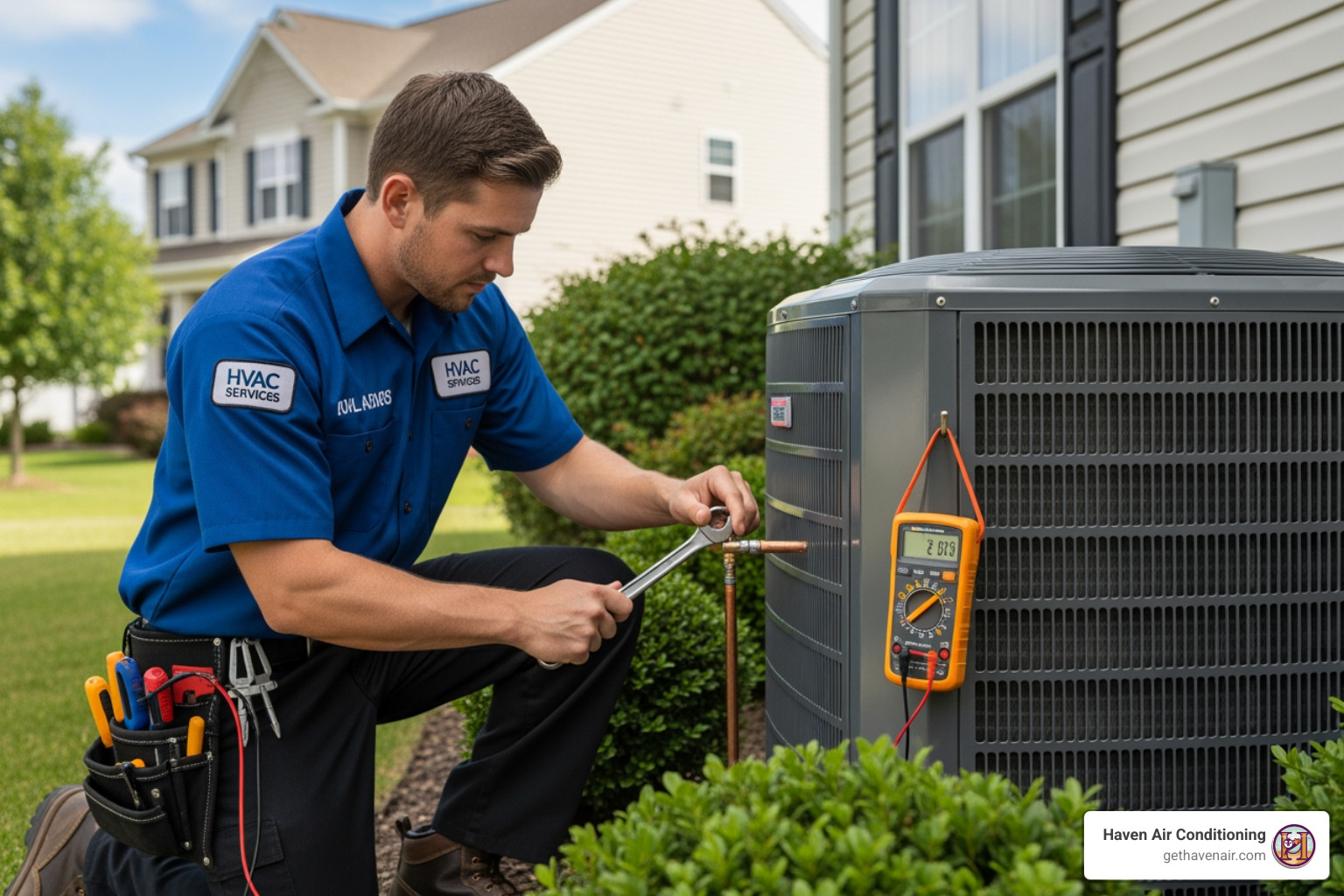
Identifying and Measuring the most common indoor air pollutants
The first step is to identify which pollutants are in your home. Your senses can provide clues: a musty smell may indicate mold, chemical odors suggest VOCs, and a stuffy feeling points to poor ventilation. If health symptoms like headaches or fatigue improve when you leave the house, poor IAQ is a likely culprit.
For specific threats, install CO detectors on every level of your home and use radon test kits to check for this invisible gas. Affordable indoor air quality monitors can track pollutants like particulate matter and VOCs in real-time, but a professional assessment provides the most accurate results. Our team uses advanced environmental sensing technology to measure the most common indoor air pollutants, identify sources, and recommend targeted solutions for Orange County homeowners.
The Critical Role of Home Ventilation
Ventilation is your home’s breathing system, exchanging stale indoor air for fresh outdoor air to prevent pollutant buildup. The simplest method is natural ventilation by opening windows and doors. Mechanical ventilation, like using kitchen and bathroom exhaust fans, removes moisture and fumes at the source.
Your HVAC system is also key to ventilation. A well-maintained system continuously circulates and filters air, helping to control humidity and prevent contaminant buildup. Without proper ventilation, pollutants accumulate. Regular maintenance of your HVAC system is crucial for ensuring it ventilates effectively.
Effective Strategies for Controlling the most common indoor air pollutants
The most effective strategy is source control: preventing pollutants from entering your air.
- Choose low- or zero-VOC paints, furnishings, and cleaners.
- Ensure fuel-burning appliances are properly installed, vented outside, and regularly inspected.
- Control moisture to prevent mold by fixing leaks, using exhaust fans, and keeping indoor humidity between 30-50%.
- Eliminate secondhand smoke by smoking outside.
- Install a radon mitigation system if radon levels are high.
Air purifiers with HEPA filters are a great second line of defense, capturing particles like dust, pollen, and dander. Regular HVAC preventive maintenance is also vital. Change filters regularly and schedule professional tune-ups. Professional duct cleaning services can remove accumulated dust and allergens from your ductwork.
Simple housekeeping helps, too. Vacuum regularly with a HEPA-filtered vacuum and dust with damp cloths. Even certain houseplants can help purify your air, as a NASA clean air study found.
Combining these strategies provides a comprehensive defense against the most common indoor air pollutants. For a professional assessment in your Orange County home, contact Haven Air Conditioning.
Frequently Asked Questions about Indoor Air Pollutants
Here are answers to common questions we hear from Orange County residents about indoor air quality.
How do everyday activities affect indoor air quality?
Everyday routines impact your air. Cooking, especially frying or using a gas stove, releases pollutants, so using a vented range hood is essential. Cleaning with traditional products releases VOCs; switching to natural alternatives reduces this chemical load. Personal care products like aerosols and perfumes release VOCs, while burning candles or incense creates particulate matter. Even walking on carpets can resuspend settled dust and allergens into the air.
How do building materials contribute to indoor air quality issues?
Building materials and furnishings can be a major source of indoor air pollution. Off-gassing from new carpets, flooring, and pressed wood furniture releases formaldehyde and other VOCs. Paints and finishes also release VOCs long after they dry. In older homes, be aware of asbestos in materials like insulation and tiles, and lead from old paint, which are dangerous if disturbed during renovations. When building or renovating, always choose low- or zero-VOC materials and ensure proper ventilation.
What are the latest advancements in improving indoor air quality?
New technologies are making healthier air more accessible for families in Orange County and Riverside.
- Smart IAQ monitors can connect to your HVAC system, tracking pollutants like PM2.5 and VOCs in real-time and automatically adjusting ventilation or purification as needed.
- Advanced filtration technologies now capture smaller particles and more gaseous pollutants than traditional HEPA filters.
- UV germicidal lights installed in HVAC systems kill airborne bacteria, viruses, and mold spores, sterilizing the air as it circulates.
- Promising research into nanotechnology in air purifiers explores using nanomaterials to trap or destroy pollutants at a molecular level. Nanotechnology may offer new ways to control indoor air pollution.
- Demand-controlled ventilation systems use sensors to adjust ventilation based on occupancy or pollutant levels, optimizing both air quality and energy efficiency.
At Haven Air Conditioning, we offer the latest indoor air quality solutions and can help you choose the right technology for your Orange County home.
Conclusion: Breathe Easier in Your Orange County Home
This guide has shown that the most common indoor air pollutants—from mold and pet dander to VOCs and carbon monoxide—are real threats affecting your family’s health daily in your Orange County home. These pollutants can cause everything from headaches to serious long-term conditions like asthma and heart disease, with children and the elderly being most vulnerable.
The good news is that you can take action. By identifying pollutant sources, improving ventilation, and using smart purification strategies, you can significantly improve your home’s air quality. For residents in Anaheim, Fullerton, and Irvine, clean indoor air is essential for your family’s well-being. Every problem, from mold to an aging HVAC system, has a solution.
Haven Air Conditioning is dedicated to helping our neighbors achieve healthier indoor environments. Our certified technicians understand the challenges of Orange County homes and provide transparent solutions, from air quality assessments to advanced filtration and expert HVAC maintenance. We’re equipped to transform your home into the haven it should be.
Ready to take the first step? Learn more about our comprehensive Indoor Air Quality Solutions, or contact us to discuss your concerns. Your family deserves to breathe easier, and we’re here to help.