(714) 332-6302

Why Heat Pump Installation in Whittier, CA is the Right Move for Your Home
Heat pump installation in whittier ca is becoming the go-to solution for homeowners who want efficient, year-round comfort without juggling separate heating and cooling systems. If you’re tired of high energy bills, uneven temperatures, or the hassle of maintaining both a furnace and an air conditioner, a heat pump offers a smarter, all-in-one alternative. Whittier’s mild Mediterranean climate—with warm, dry summers and cool, comfortable winters—makes it an ideal location for heat pump technology, which works by transferring heat rather than burning fuel.
Quick Answer: What You Need to Know About Heat Pump Installation in Whittier
- What it does: A heat pump heats your home in winter and cools it in summer using one system
- Why it works here: Whittier’s moderate climate is perfect for heat pump efficiency
- Key benefits: Lower energy bills, reduced carbon footprint, consistent comfort, and improved air quality
- Installation steps: In-home consultation, proper sizing, professional installation, system testing
- Average lifespan: 12-20 years with regular maintenance
- Cost factors: System type, home size, ductwork condition, and available rebates
Whether you’re replacing an aging HVAC system or upgrading to a more efficient solution, understanding the installation process, costs, and long-term benefits will help you make the best decision for your Whittier home. Looking for reliable HVAC expertise? Learn more about our HVAC services or schedule your heat pump consultation today.

Why a Heat Pump is the Smart Choice for Whittier Homes
Choosing a heat pump for your Whittier home isn’t just about getting a new HVAC system; it’s about investing in a more comfortable, energy-efficient, and environmentally friendly future. Our mild Southern California climate, characterized by warm, dry summers and cool, comfortable winters, is perfectly suited for the innovative technology of a heat pump.
Heat pumps offer dual-functionality, meaning they handle both your heating and cooling needs with a single, highly efficient unit. This eliminates the need for separate furnaces and air conditioners, simplifying your home’s mechanical systems and often reducing maintenance hassles.
So, how does a heat pump manage this impressive feat? It all comes down to the clever science of heat transfer. Unlike traditional furnaces that burn fuel to generate heat, a heat pump simply moves heat. In cooler months, it extracts heat from the outside air, even when it feels cold to us, and transfers it inside to warm your home. When summer arrives, the process reverses: the heat pump pulls heat from your indoor air and releases it outside, effectively cooling your living space. The key to this reversible operation is a component called a reversing valve, which allows the refrigerant flow to change direction. For a deeper dive into the mechanics, you can explore our guide on What is a Heat Pump? How Does It Work?.
The benefits of this technology are substantial for Whittier homeowners:
- Energy Savings and Lower Utility Bills: One of the most compelling advantages of a heat pump is its remarkable energy efficiency. Because it transfers heat rather than generating it, a heat pump uses only a small amount of electricity during the heating process. This translates directly to lower utility bills compared to traditional systems. They run in longer, more consistent cycles, leading to a more stable indoor temperature and reducing the energy spikes associated with frequent on/off cycling.
- Environmental Benefits: As heat pumps are powered by electricity, they offer a cleaner, more sustainable alternative to fossil fuel-burning furnaces. This reduces your home’s carbon footprint and eliminates the safety risks associated with gas furnaces, such as carbon monoxide poisoning.
- Improved Indoor Air Quality: Many modern heat pump systems come with advanced filtration capabilities, helping to remove airborne particles, allergens, and pollutants from your home. This can significantly improve the air you breathe, which is a big plus for families in Whittier.
- Dehumidification: In cooling mode, heat pumps also act as excellent dehumidifiers. By removing excess moisture from the air, they improve comfort and can even help prevent mold and mildew growth, making your home feel cooler at higher temperatures.
Heat Pumps vs. Traditional Furnaces and Air Conditioners
When considering a new HVAC system for your home, the choice often comes down to heat pumps versus the traditional combination of a furnace and an air conditioner. While both aim to keep your home comfortable, their methods and overall impact differ significantly.
One of the biggest advantages of a heat pump is its single-system convenience. Instead of maintaining two separate units for heating and cooling, you have one integrated system. This can simplify service, reduce space requirements, and streamline your home’s comfort management.
Let’s break down how they compare:
| Feature | Heat Pump | Traditional Furnace & AC |
|---|---|---|
| Efficiency | Highly efficient (transfers heat) | Moderate to high (generates heat/removes heat) |
| Running Cost | Generally lower in moderate climates | Can be higher due to fuel consumption |
| Environmental Impact | Lower carbon footprint (electric) | Higher (gas furnace emits CO2) |
| Safety | No carbon monoxide risk | Gas furnaces have CO risk |
| Comfort | Consistent, even temperatures, good dehumidification | Can have wider temperature swings |
| System | One unit for heating and cooling | Two separate units |
In Whittier’s climate, heat pumps truly shine. Their efficiency is optimal in regions where winter lows generally stay above approximately 40°F. While their efficiency can start to drop below that point and fall off sharply near 25°F, Whittier rarely experiences such extreme cold. This means our homes can benefit from optimal heat pump performance for the vast majority of the year. For those rare colder spells, some heat pumps can be paired with supplemental heating, like electric resistance coils or a small furnace, ensuring you’re always cozy.
For a more detailed comparison, we encourage you to read our dedicated articles:
The choice to opt for a heat pump installation in whittier ca is a strategic one, offering a modern, efficient, and environmentally conscious approach to home comfort.
Your Guide to Professional Heat Pump Installation in Whittier, CA
Starting on a heat pump installation in whittier ca is a significant home improvement, and the success of your new system hinges largely on the expertise of your chosen installer. We understand you want peace of mind, knowing your investment is in capable hands. That’s why choosing the right contractor is paramount.
When you’re looking for a heat pump installer in Whittier, here’s what to consider:
- NATE-Certified Technicians: Look for companies with North American Technician Excellence (NATE) certified technicians. This certification demonstrates a high level of industry knowledge and practical skills, ensuring your system is installed correctly and efficiently. Our team is comprised of certified professionals dedicated to providing top-tier service.
- Licensed and Insured: Always verify that the contractor is fully licensed and insured. This protects you from liability and ensures that the work meets all local codes and standards.
- Local Orange County Experience: An installer with experience in the Greater Orange County Area, including Whittier, will understand the specific climate demands and common home characteristics of our region. This local knowledge is invaluable for proper system sizing and optimal performance.
- Customer Reviews and Reputation: What do other homeowners say? Check online reviews and testimonials. A company with a strong track record of positive customer feedback indicates reliability, quality workmanship, and excellent service.
- Upfront Pricing: A transparent contractor will provide clear, upfront pricing for your heat pump installation, with no hidden fees or surprises. We believe in honest communication and ensuring you know exactly what to expect.
- Warranties and Guarantees: Inquire about installation warranties and guarantees on parts and labor. A reputable company stands behind its work.
For more insights on selecting an HVAC professional, our HVAC Installation Anaheim Tips can offer valuable guidance.
Key Factors for Your Heat Pump Installation in Whittier, CA
A successful heat pump installation isn’t a one-size-fits-all solution. It requires careful consideration of several key factors unique to your home and lifestyle. This meticulous planning ensures your system operates at peak efficiency and provides optimal comfort for years to come.
When we approach a heat pump installation in whittier ca, we focus on:
- System Sizing: This is arguably the most critical step. An undersized heat pump won’t adequately heat or cool your home, leading to discomfort and increased energy consumption. An oversized unit will cycle on and off too frequently, reducing efficiency, increasing wear and tear, and potentially creating humidity issues. Proper sizing involves a thorough heat load calculation, which assesses your home’s specific heating and cooling needs based on factors like:
- Home Size and Layout: The square footage, number of rooms, and ceiling heights.
- Insulation Levels: Walls, attic, windows, and doors.
- Window Efficiency and Orientation: How much sunlight your home receives.
- Occupancy: The number of people living in the home.
- Ductwork Condition: If your home has existing ductwork, we’ll inspect it for leaks, blockages, or improper sizing. Leaky or poorly designed ducts can negate the efficiency benefits of a new heat pump. Sometimes, duct sealing or modifications are necessary to ensure even airflow and efficient operation. For homes without existing ductwork, ductless mini-split heat pump systems are an excellent alternative.
- Zoning Options: For ultimate comfort and energy savings, consider zoning your home. This allows you to control temperatures independently in different areas or rooms, so you’re not heating or cooling unused spaces. This is particularly beneficial for larger homes or those with varying temperature preferences. Learn more about the advantages of Heat Pump Zoning and specialized solutions like a 3 Zone Mini Split AC and Heat.
By carefully evaluating these factors, we can design a heat pump system that is perfectly custom to your Whittier home, guaranteeing maximum comfort and efficiency.
What to Expect During Your Heat Pump Installation in Whittier, CA
Once you’ve chosen the right heat pump and a trusted installer, you might be curious about the actual installation process. We strive to make your heat pump installation in whittier ca a smooth and hassle-free experience. Here’s a general overview of what you can expect:
- In-Home Consultation and Planning: The process begins with a detailed in-home consultation. Our certified technicians will assess your home, discuss your comfort needs, and finalize the system design. This is where we confirm sizing, discuss placement of indoor and outdoor units, and review any necessary ductwork or electrical upgrades.
- Preparation and Removal of Old System (if applicable): If you’re replacing an existing furnace or AC unit, our team will safely and carefully remove the old equipment. We’ll ensure the work area is protected and kept clean throughout the process.
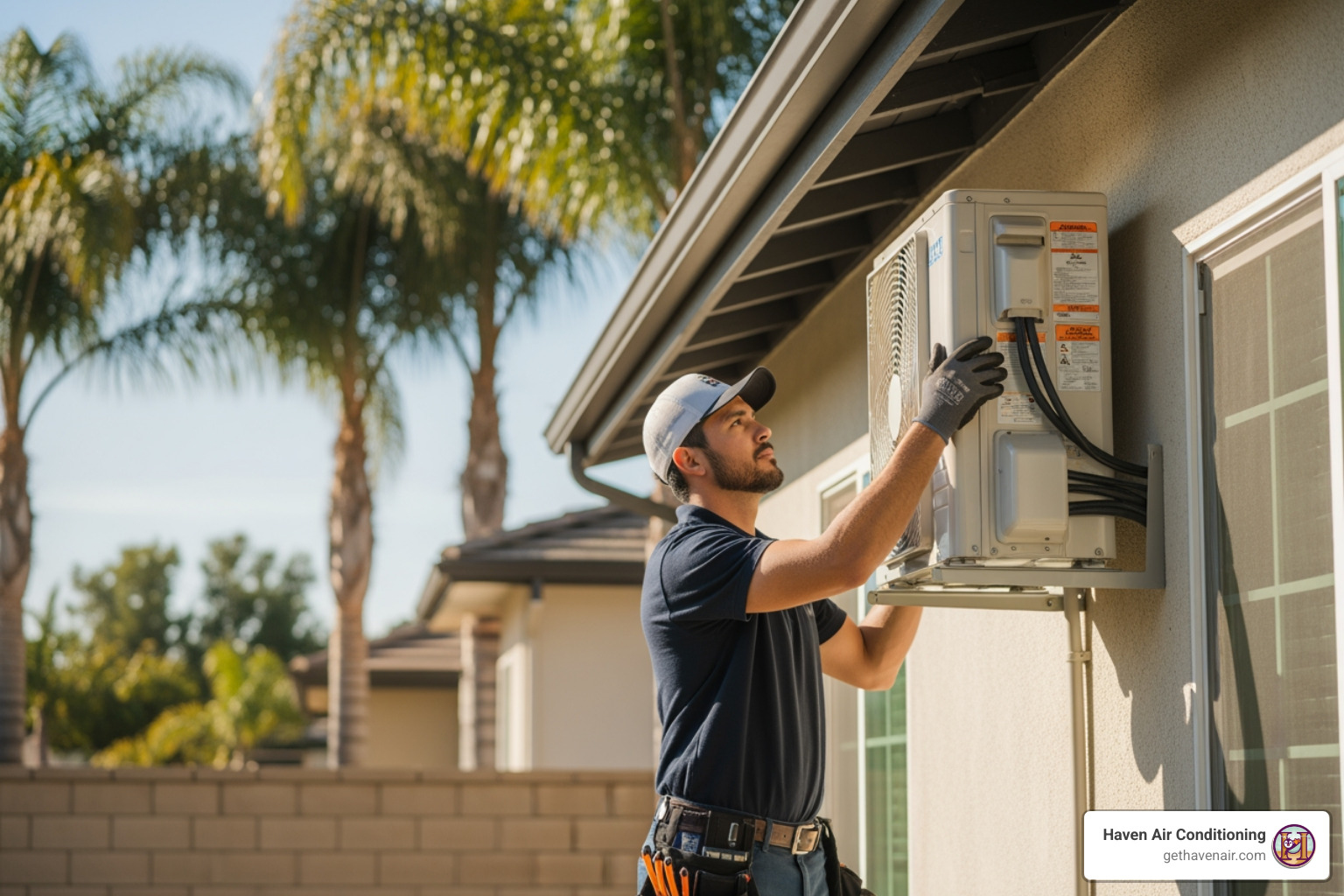
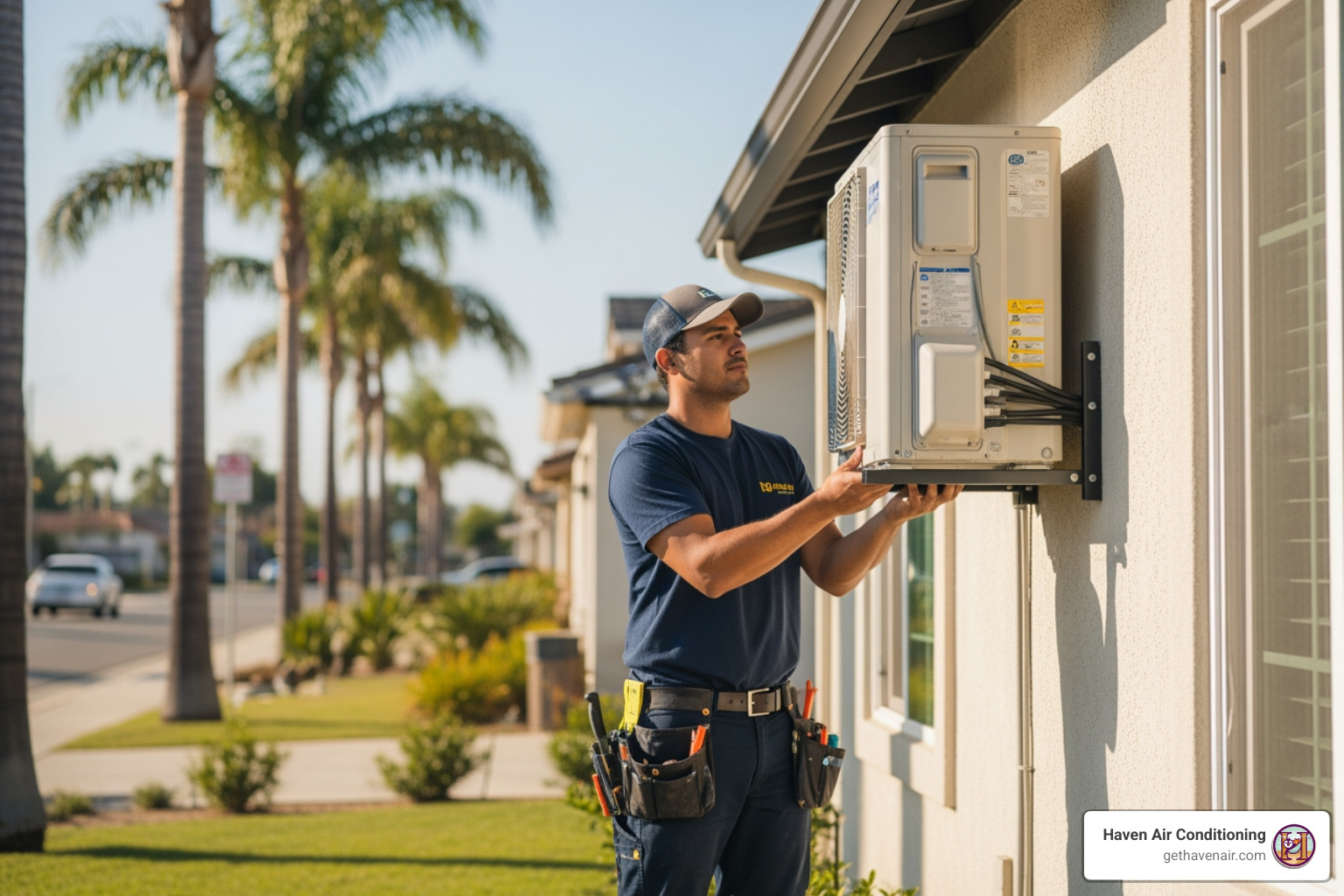
- System Placement: The indoor unit (often an air handler) will be installed in your attic, closet, or basement, connecting to your ductwork. The outdoor unit, which contains the compressor and condenser coils, will be placed on a level pad outside your home, typically in a location that allows for good airflow and minimizes noise.
- Ductwork Modifications (if needed): If your existing ductwork requires repairs, sealing, or modifications to optimize airflow for the new heat pump, our technicians will handle these adjustments.
- Electrical Work: Heat pumps require a dedicated electrical circuit. Our licensed electricians will ensure your home’s electrical system can safely support the new unit, performing any necessary wiring or panel upgrades.
- Refrigerant Line Installation: We will install and carefully evacuate the refrigerant lines that connect the indoor and outdoor units. Proper evacuation is crucial for system efficiency and longevity.
- Thermostat Installation: A new, compatible thermostat (often a smart thermostat) will be installed and programmed to optimize your heat pump’s performance and give you precise control over your home’s comfort.
- System Testing and Calibration: Once everything is connected, we’ll thoroughly test the entire system to ensure it’s operating correctly, efficiently, and safely in both heating and cooling modes. We’ll calibrate it for optimal performance in your specific home.
- Homeowner Walkthrough: Finally, our technician will walk you through your new system, explain its features, demonstrate how to use your new thermostat, and answer any questions you may have about its operation and basic maintenance.
Most standard heat pump installations can be completed within a day, though more complex projects involving extensive ductwork changes or electrical upgrades might take longer. We pride ourselves on a smooth and efficient installation, ensuring your home is comfortable as quickly as possible. For a comprehensive overview, refer to our AC Heat Pump Installation Complete Guide.
Understanding the Costs and Savings of a Heat Pump
Investing in a heat pump is a smart decision for any Whittier homeowner looking for long-term comfort and efficiency. While the initial cost of heat pump installation in whittier ca is a consideration, look beyond the upfront expense to the significant long-term savings and benefits.
The total cost of heat pump installation can vary based on several factors:
- System Type and Size: There are different types of heat pumps (e.g., air-source, ductless mini-splits), and the size (tonnage) required for your home will directly impact the price. Larger homes or those with greater heating and cooling demands will require larger, more powerful, and thus more expensive units.
- Labor Costs: Installation complexity, the need for ductwork modifications, or electrical upgrades will influence labor hours and, consequently, the overall cost.
- Brand and Features: Premium brands or units with advanced features like variable-speed compressors, smart thermostat integration, or improved air filtration can affect the price.
- Existing Infrastructure: If your home requires new ductwork, electrical panel upgrades, or significant modifications to accommodate the heat pump, these will add to the total investment.
While we cannot provide specific pricing, we can assure you that we offer transparent quotes custom to your home’s unique needs.
The true value of a heat pump becomes evident in its long-term savings. Heat pumps are incredibly energy-efficient, often operating at 200-400% efficiency, meaning they deliver more heating or cooling energy than the electrical energy they consume. This efficiency translates directly into:
- Lower Utility Bills: By transferring heat instead of generating it, heat pumps significantly reduce your energy consumption, leading to noticeably lower monthly heating and cooling costs. This is particularly true in Whittier’s mild climate, where the heat pump can operate in its most efficient range for most of the year.
- Return on Investment (ROI): The energy savings over the lifespan of the unit can often offset a substantial portion, if not all, of the initial installation cost. Your heat pump essentially pays for itself over time through reduced energy expenses.
- Increased Home Value: An energy-efficient heat pump system is an attractive feature for potential homebuyers, often increasing your property’s market value. Homebuyers are increasingly looking for homes with modern, sustainable, and cost-effective HVAC solutions.
California Rebates and Incentives
One of the most exciting aspects of choosing a heat pump in California is the availability of various financial incentives that can significantly reduce your upfront installation costs. California is at the forefront of encouraging home electrification and energy efficiency, and these programs are designed to make it easier and more affordable for homeowners to make the switch.
These incentives can come in several forms:
- State Rebates: California often offers state-level rebate programs for installing energy-efficient appliances, including heat pumps. These programs are designed to reduce greenhouse gas emissions and promote cleaner energy solutions.
- Federal Tax Credits: The federal government also provides tax credits for qualifying energy-efficient home improvements, which can include heat pump installations. These credits can offer a substantial reduction in your tax liability.
- Utility Programs: Local utility companies in the Orange County area may offer their own rebates or incentives for customers who upgrade to high-efficiency heat pump systems. These programs vary, so it’s always worth checking what’s available in your specific service area.
Navigating rebates and incentives can sometimes feel daunting, but we’re here to help. Our team stays up-to-date on the latest programs and can guide you through the application process to ensure you maximize your savings. For comprehensive information on available incentives, our Heat Pump Rebates in California article is an excellent resource. Additionally, the Clean Energy Connection is a valuable resource that helps homeowners find qualified contractors who support clean energy projects and can provide information on available programs.
By taking advantage of these incentives, you can make your heat pump installation in whittier ca even more financially attractive, accelerating your return on investment and helping you enjoy the benefits of efficient comfort sooner.
Maintaining Your Heat Pump for Longevity and Performance
A heat pump is a significant investment in your home’s comfort and efficiency, and like any major appliance, it thrives on proper care. Understanding its typical lifespan and recognizing the signs that it might be time for a replacement are crucial for continuous, reliable performance.
The average lifespan of a well-installed and well-maintained heat pump typically ranges from 12 to 20 years. Several factors influence this, including the quality of the initial installation, the frequency and thoroughness of maintenance, and the climate it operates in. In Whittier’s moderate climate, with consistent maintenance, your heat pump has a good chance of reaching the higher end of that range. For a deeper dive, check out our article on How Long Does a Heat Pump Last?.
However, even the best heat pumps eventually reach the end of their service life. Here are the signs that your current heating or cooling system might need to be replaced with a new heat pump:
- Age: If your heat pump is over 10-15 years old, it’s nearing the end of its typical lifespan. Older units are less efficient and more prone to breakdowns.
- Frequent Repairs: Are you calling for repairs more often? If your system requires frequent, costly fixes, the cumulative expense can quickly outweigh the cost of a new, more reliable unit.
- Rising Energy Bills: Despite no changes in your usage habits, continuously rising energy bills are a strong indicator that your system is losing efficiency and struggling to maintain desired temperatures.
- Strange Noises: Loud grinding, banging, hissing, or squealing noises from your unit are signs of internal component issues that could be expensive to repair and indicate impending failure.
- Inconsistent Heating or Cooling: If some rooms are too hot while others are too cold, or if your system struggles to reach set temperatures, it’s a sign of declining performance.
- Excessive Condensation: Unusual amounts of condensation around your indoor or outdoor unit can indicate problems with refrigerant levels or other critical components.
If you’re noticing any of these signs, it’s wise to have our certified technicians assess your system. We can help you determine whether a repair is still viable or if a new heat pump installation in whittier ca is the more cost-effective and comfortable solution.
Essential Heat Pump Maintenance and Troubleshooting
To ensure your heat pump operates optimally throughout its lifespan and provides consistent comfort, regular maintenance is key. A little proactive care can prevent costly breakdowns, extend the life of your system, and keep those energy bills low.
Here are some essential maintenance tasks you can perform, along with the importance of professional tune-ups:
DIY Maintenance Tasks:
- Changing Air Filters: This is perhaps the simplest yet most crucial maintenance task. A dirty air filter restricts airflow, forcing your heat pump to work harder, reducing efficiency, and potentially damaging the system. We recommend checking your filter monthly and replacing it every 1-3 months, or more frequently if you have pets or allergies.
- Cleaning the Outdoor Unit: Keep the area around your outdoor unit clear of debris like leaves, grass clippings, and shrubs. Ensure there’s at least two feet of clearance on all sides for proper airflow. Gently rinse the coils with a garden hose to remove dirt and dust buildup.
- Keep Vents Unobstructed: Make sure all indoor vents and registers are open and not blocked by furniture, drapes, or rugs. This ensures proper airflow throughout your home.
Professional Tune-Ups:
While DIY tasks are helpful, nothing replaces the thoroughness of an annual professional tune-up. We recommend scheduling an annual service appointment, ideally before the heating or cooling season begins. During a professional tune-up, our certified technicians will:
- Inspect and clean coils.
- Check refrigerant levels and pressure.
- Lubricate moving parts.
- Inspect electrical connections.
- Test thermostat settings.
- Check for proper airflow and duct integrity.
- Perform a carbon monoxide check (if applicable to supplemental heating).
- Assess overall system performance and efficiency.
These comprehensive checks can identify minor issues before they become major problems, ensuring your system runs reliably and efficiently.
Common Issues and Troubleshooting:
Even with diligent maintenance, issues can sometimes arise. Here are a couple of common concerns and how to address them:
- Heat pump blowing cold air in heating mode: This could be due to a dirty filter, thermostat settings, or the system going into defrost mode. If it persists, it might indicate a more serious problem like low refrigerant or a faulty reversing valve. Our blog post, Why is my Heat Pump Blowing Cold Air?, offers detailed troubleshooting steps.
- Heat pump not heating at all: This could stem from power issues, a tripped circuit breaker, or a malfunctioning thermostat. It could also point to more complex mechanical failures. If your heat pump isn’t heating, consult our guide My Heat Pump is Not Heating for initial checks before calling for professional service.
Don’t hesitate to reach out to us if you encounter persistent problems. Our 24/7 emergency service means we’re always ready to help restore comfort to your Whittier home.
Conclusion: Make the Switch to Efficient Comfort
The decision to pursue heat pump installation in whittier ca is more than just an upgrade; it’s a forward-thinking choice for a home that prioritizes year-round comfort, significant energy savings, and environmental responsibility. We’ve explored how heat pumps provide both heating and cooling from a single, highly efficient unit, perfectly suited to Whittier’s mild climate. We’ve seen how they outperform traditional systems in terms of efficiency and environmental impact, leading to noticeably lower utility bills and a reduced carbon footprint.
From understanding the critical factors in choosing a reputable installer to navigating the installation process and leveraging valuable California rebates and incentives, we hope this guide has empowered you with the knowledge needed to make an informed decision. A heat pump is a long-term investment, and with proper maintenance, it promises 12 to 20 years of reliable, comfortable performance.
At Haven Air Conditioning, we pride ourselves on providing expert HVAC services throughout the Greater Orange County Area, including Whittier. Our certified, experienced technicians are dedicated to exceptional customer service, attention to detail, and transparent, professional work. We are committed to ensuring your home remains comfortable and efficient year-round.
Ready to experience the superior comfort and savings of a heat pump? Let us help you make the switch.
Schedule your expert heat pump installation in Whittier today!