(714) 332-6302

Why Clean Air Conditioning Matters for Every Homeowner
Clean air conditioning is about more than just staying cool. It’s crucial for your family’s health, your energy bills, and the lifespan of your HVAC system. If you’ve noticed weak airflow, strange odors, or rising electricity costs, your AC unit likely needs a good cleaning. The good news is that you can perform most of this maintenance yourself with basic tools.
Quick Answer: Benefits of Clean Air Conditioning
- Better Air Quality – Removes dust, allergens, mold, and bacteria
- Lower Energy Bills – Clean systems run 5-15% more efficiently
- Longer System Life – Prevents costly breakdowns and premature replacement
- Improved Cooling – Restores proper airflow and temperature control
- Healthier Home – Reduces respiratory irritants and allergy triggers
For comprehensive year-round comfort, explore our HVAC services, or if you’re ready to ensure your system is running at peak performance, schedule your maintenance service today.
Your AC unit pulls in vast amounts of air, and over time, the combination of humidity and dust creates a breeding ground for mold, bacteria, and fungi. Studies show that dirty filters can harbor contaminants that are then circulated into your living space. For families in Orange County, with our warm climate and seasonal allergens, regular AC cleaning is essential for a healthy home.
Why a Clean AC is Non-Negotiable
Your air conditioner is the heart of your home’s comfort system, especially in Greater Orange County where we rely on cooling for most of the year. Keeping it clean protects your investment, your wallet, and your family’s health.
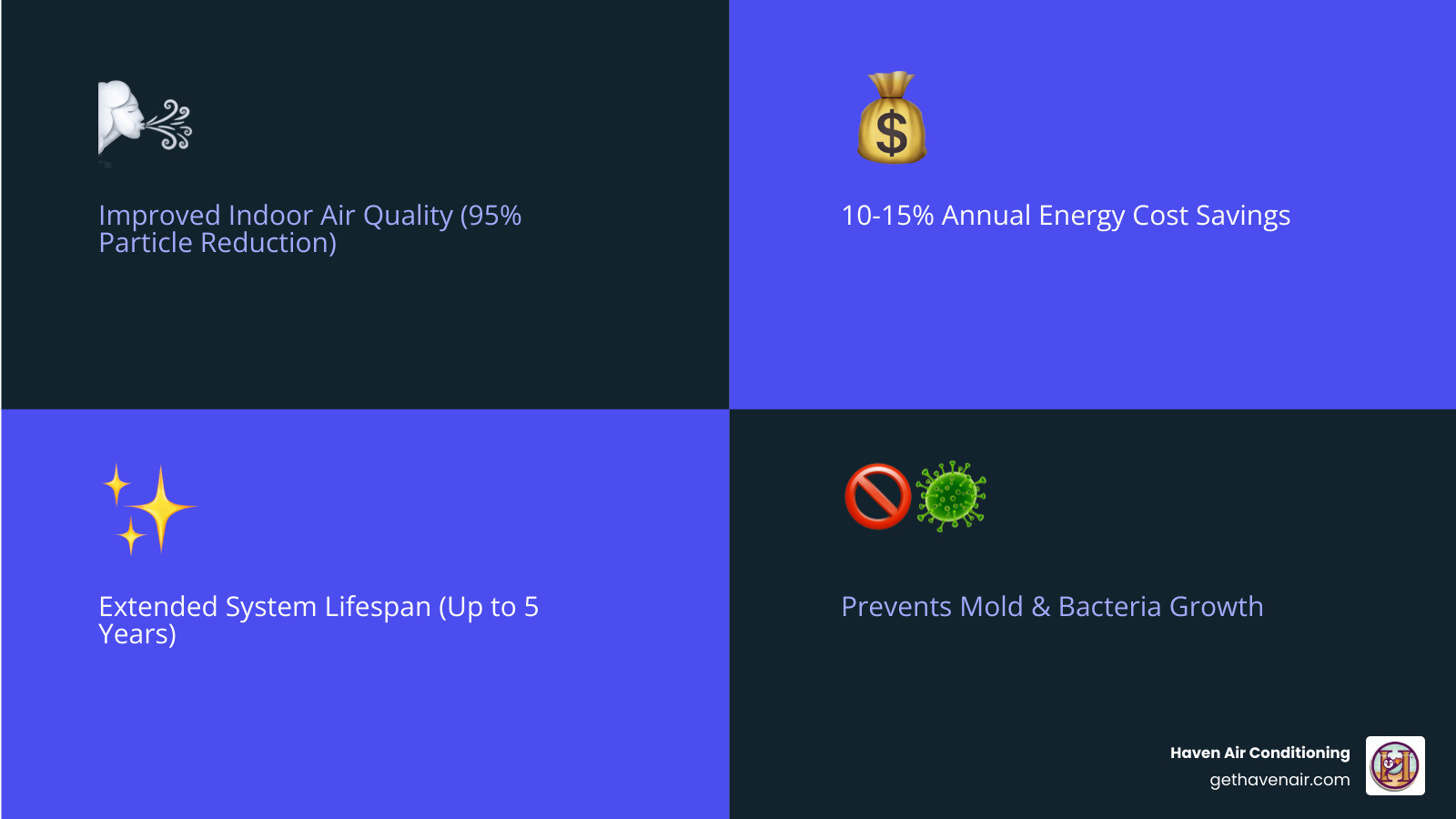
A clean AC works more efficiently, leading to lower electricity bills. When filters are clogged and coils are coated with debris, your system must strain to push air and absorb heat. This forces it to run longer and harder, increasing your energy consumption. A clean system can run 5-15% more efficiently, a fact supported by the U.S. Department of Energy’s guidance on Air Conditioner Maintenance. Simply replacing a dirty filter can significantly lower your energy use.
Beyond monthly savings, regular cleaning means an extended system lifespan and fewer costly repairs. The constant strain from dirt and blockages causes extra wear on every component, from the compressor to the blower motor. This leads to breakdowns, often during the peak of an Orange County heat wave. Proper maintenance can double the life of your air conditioner from 7-10 years to 15-20 years. Considering a new system is a major expense, cleaning your unit is one of the best investments you can make in your home. A clean system also delivers better cooling performance with stronger airflow and more consistent temperatures.
The Health Benefits of Clean Air Conditioning
Even more important than money is your family’s health. Most of the air you breathe at home passes through your air conditioner. If the unit is dirty, you’re breathing air contaminated with dust, mold, and bacteria.
Your AC’s dark, damp interior is a perfect breeding ground for mold and bacteria. When the system kicks on, it can blow these contaminants into your living space, often causing a musty smell. This has a significant impact on indoor air quality. A saturated filter allows particles to bypass it and spread throughout your home, which is especially harmful to family members with allergies or asthma. According to Health Canada, poor indoor air can have serious health effects of indoor air pollution.
Regular cleaning tackles these issues head-on. By keeping filters and coils clean, you dramatically reduce allergens and dust, prevent mold and bacteria growth, and eliminate respiratory irritants. As we’ve detailed in our article on Why IAQ Matters, improving indoor air quality is vital for your family’s well-being. Prioritizing clean air conditioning creates a healthier home where everyone can breathe easier.
Pre-Cleaning Checklist: Tools and Safety First
Before you start, a few minutes of preparation will make your clean air conditioning project smoother and safer.
Safety First!
Never work on your air conditioner while it’s powered on. Go to your electrical panel and switch off the breaker for your AC unit. This is essential to prevent electrical shock or accidental startup. Also, find your owner’s manual. It may have specific instructions for your model that can prevent accidental damage. If you can’t find the physical copy, check the manufacturer’s website for a digital version.

Tools & Materials You’ll Need:
Gathering your tools beforehand saves time and frustration. Here’s what you’ll need:
- Screwdriver: To remove access panels.
- Soft brush or vacuum brush attachment: For gently cleaning delicate components.
- Spray bottle with water and mild detergent: A simple solution of dish soap and water works well.
- Soft cloths or microfiber towels: For wiping and drying.
- Fin comb (optional): To straighten bent coil fins and restore airflow.
- Protective gloves and eyewear: To protect your hands and eyes from grime and cleaning solutions.
- Bucket or tarp: To catch drips and runoff, especially for indoor units.
With your safety checks done and tools ready, you can get started.
The Ultimate Guide to Clean Air Conditioning at Home
Now that you’re prepped, let’s walk through the cleaning process for both your indoor and outdoor units to achieve truly clean air conditioning.
Step 1: Cleaning the Indoor Unit’s Filters
Your air filter is the first line of defense against dust, pollen, and pet dander. Keeping it clean is vital for air quality and system efficiency.
First, turn off the power at the circuit breaker for safety. Then, remove the front panel of your wall-mounted unit; most have a simple lift-and-clip mechanism. Your owner’s manual can provide specific guidance.
Once open, you’ll see the filters. Carefully slide or unclip them.
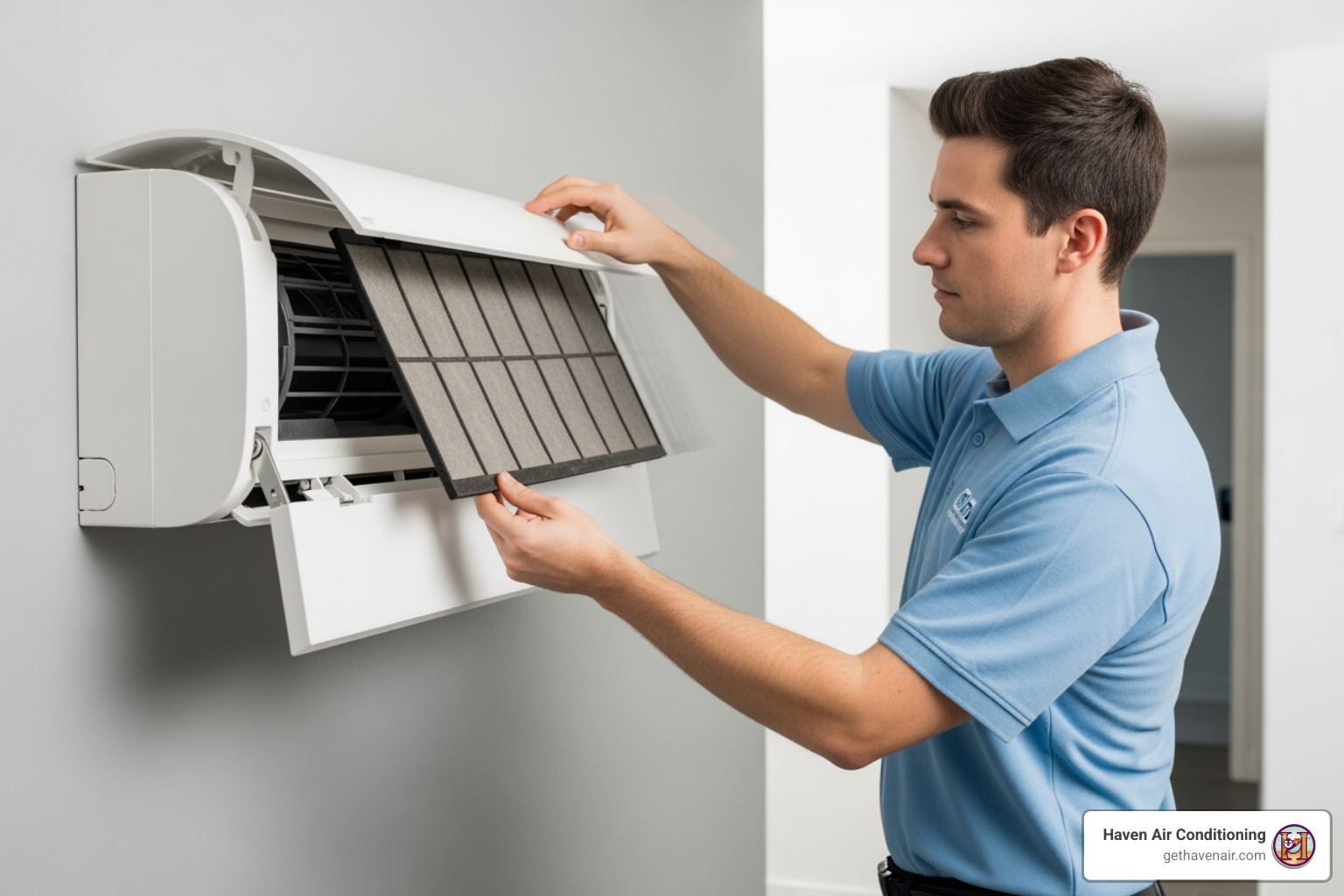
For reusable filters, wash them under lukewarm running water. Use a bit of mild detergent for heavy grime, but avoid harsh soaps or hot water, which can cause damage. Crucially, let the filters air dry completely before reinstalling them. A damp filter will promote mold growth.
If your system uses disposable filters, simply replace dirty or damaged ones with new ones. Do not attempt to wash them.
Step 2: Cleaning the Evaporator Coils and Fins
Behind the filters are the evaporator coils, where warm air is cooled. If filters aren’t changed regularly, these coils become magnets for dirt.
With the filters removed, gently vacuum any visible dust from the coil surface using a soft brush attachment. The aluminum fins are delicate, and bending them will restrict airflow.
Next, lightly mist the coils with your spray bottle of mild detergent and water or a commercial no-rinse coil cleaner. Let the solution sit for a few minutes to break down buildup. No-rinse cleaners are convenient, as the AC’s natural condensation will wash away the loosened dirt. For more details, see our guide on AC Coil Cleaning.
If you notice any bent fins, use a fin comb to carefully straighten them. Once everything is clean and dry, reinstall your filters and close the front panel.
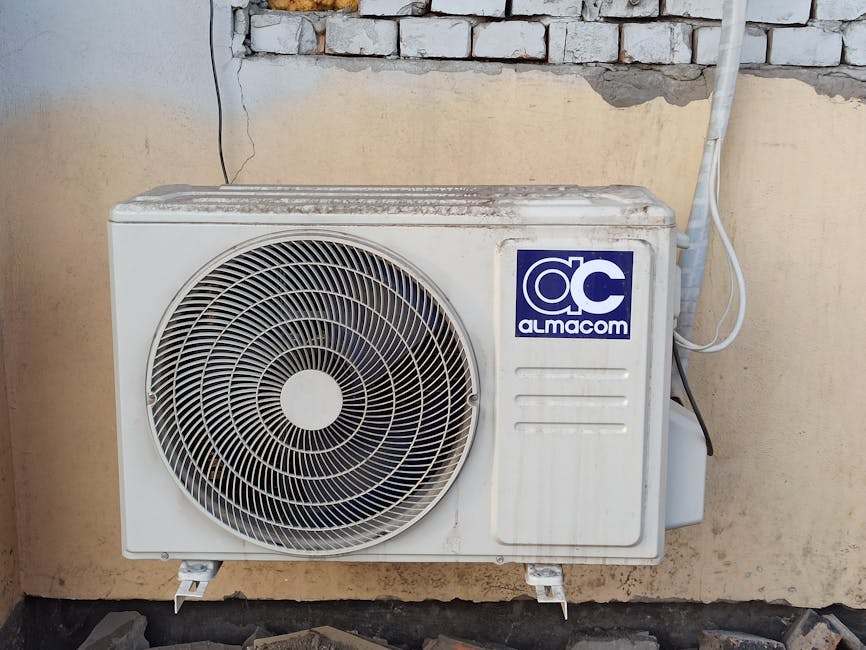
Step 3: Cleaning the Outdoor Unit (Condenser)
Your outdoor condenser unit is exposed to leaves, dust, and grass clippings, all of which can impede airflow.
Again, turn off the power at the circuit breaker. Start by clearing debris from around the unit, maintaining at least a 2-3 foot clearance zone. This helps the unit breathe. For more on this, see our article on Why Regular Vent Cleaning Matters for Home.
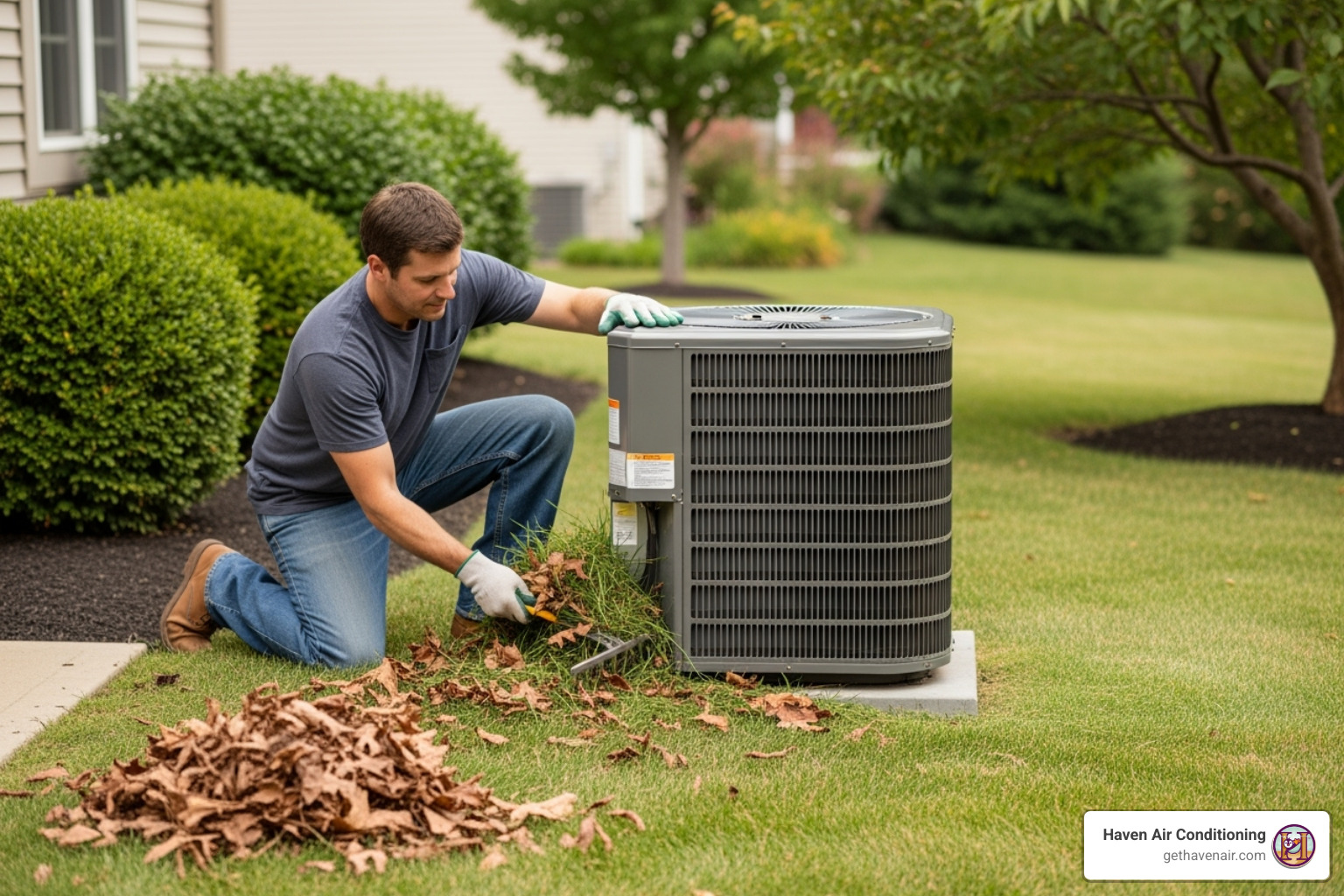
Next, remove the top grille and carefully set the fan assembly aside without disconnecting wires. Wipe down the fan blades with a soft cloth.
Use your soft brush to remove loose debris from the condenser fins on the sides of the unit. Never use a pressure washer, as it will damage the delicate fins. Instead, use a garden hose on a gentle setting to spray the fins from the inside out, pushing dirt away from the coils.
After rinsing gently until the water runs clear, reassemble the unit by replacing the fan, securing the top grille, and tightening all screws. Your system is now ready to deliver efficient, clean air conditioning.
Maintaining Your System: Frequency and Telltale Signs
Now that your AC is clean, let’s discuss how to keep it that way. Regular maintenance is key to preventing bigger problems.
How Often Should You Clean Your AC?
Here are some practical guidelines for most Orange County homeowners:
- Filters need monthly attention. During cooling season, check your filters every month. If they look dirty, clean or replace them. Homes with pets, smokers, or allergy sufferers may need to check every two to three weeks.
- Plan for an annual deep clean. Once a year, preferably in the spring, perform the thorough cleaning we outlined for both indoor and outdoor units.
- Don’t skip professional maintenance. We recommend professional HVAC maintenance every one to two years. Technicians have specialized tools to clean deep within the system, check refrigerant levels, and spot issues before they become expensive repairs. You can schedule professional HVAC maintenance in Anaheim, CA with our team.
Factors like pets, smokers, local dust, allergies, and heavy AC use mean you’ll need to clean more often.
Warning Signs Your AC Needs a Deep Clean
Your AC will tell you when it needs help. Here’s what to look for:
- Weak airflow: If the air from your vents feels weak, clogged filters or dirty coils are likely restricting airflow.
- Musty or foul odors: This almost always means mold or mildew has grown inside your unit, harming your indoor air quality.
- Strange noises: Rattling, buzzing, or grinding can indicate loose parts or a motor struggling under a layer of dirt.
- Visible mold or dirt: If you see black spots or thick dust on any components, your AC is overdue for a cleaning.
- Water leakage: A clogged condensate drain line, often blocked by algae and debris, is a common cause of leaks from the indoor unit.
- Unexpectedly high energy bills: If your costs are rising without a change in usage, a dirty, inefficient AC is a likely culprit.
Addressing these signs quickly prevents bigger problems. For more on how ventilation affects air quality, read our article on Why Regular Vent Cleaning Matters for Home. Paying attention to these signals helps you maintain clean air conditioning year-round.
Frequently Asked Questions about AC Cleaning
Here are answers to some of the most common questions we hear from homeowners in Orange County.
What happens if I don’t clean my air conditioner?
Neglecting your AC has several negative consequences. First, it leads to reduced efficiency and higher energy costs as the system works harder to cool your home. More importantly, it harms your indoor air quality by circulating dust, mold, and bacteria, which can trigger allergies and respiratory issues. Finally, the constant strain causes increased wear and tear, leading to costly breakdowns and a shorter system lifespan, potentially forcing an expensive premature replacement. In short, skipping regular cleaning means less comfort, higher bills, and potential health risks.
Can I use vinegar to clean my AC coils?
Yes, a diluted one-to-one solution of white vinegar and water can work as a natural cleaner, especially for filters. However, for your delicate evaporator coils, we recommend caution. Vinegar’s acidity can cause corrosion on metal components if not rinsed thoroughly. For coils, commercial no-rinse coil cleaners are often a safer and more effective choice. They are specifically formulated to be safe for HVAC materials and break down stubborn grime. If you use vinegar, always rinse it completely with a gentle spray of clean water. Check your owner’s manual, as some manufacturers advise against certain cleaning agents.
Is it safe to pressure wash my outdoor AC unit?
No, you should never use a pressure washer on your outdoor AC unit. The thin aluminum fins on the condenser coil are extremely delicate and designed for heat transfer, not durability. A high-pressure water jet will easily bend or crush them. Bent fins restrict airflow, which reduces cooling capacity, forces your system to work harder, and can lead to expensive compressor damage. Instead, use a regular garden hose on a gentle setting. Spray from the inside out to push debris away from the unit. For stubborn dirt, use a soft brush and mild detergent before rinsing gently.
Conclusion
We hope this guide has given you the confidence to take control of your AC’s health. Think of it as an investment in your family’s comfort and well-being here in Orange County.
Regular AC cleaning offers immediate and long-lasting rewards: cleaner, healthier air, lower energy bills, consistent cooling, and a longer system lifespan, protecting one of your home’s most important investments. The DIY steps we’ve covered are well within reach for most homeowners, empowering you to handle routine maintenance safely and effectively.
However, some situations require professional expertise. If you notice persistent strange noises, suspect a refrigerant leak, or encounter any issue that makes you uncomfortable, it’s time to call the pros. It’s the smart move to catch problems early and ensure your system operates safely.
At Haven Air Conditioning, we’ve built our reputation on exceptional service and attention to detail throughout the Greater Orange County Area—from Anaheim and Buena Park to Fullerton and beyond. Our certified, friendly professionals are passionate about ensuring your comfort and peace of mind.
Ready to give your AC the professional care it deserves? Whether you need a comprehensive maintenance check or suspect deeper issues, we’re here to help. Schedule professional HVAC maintenance in Anaheim, CA with Haven Air Conditioning today, and experience the difference that truly clean air conditioning can make.